
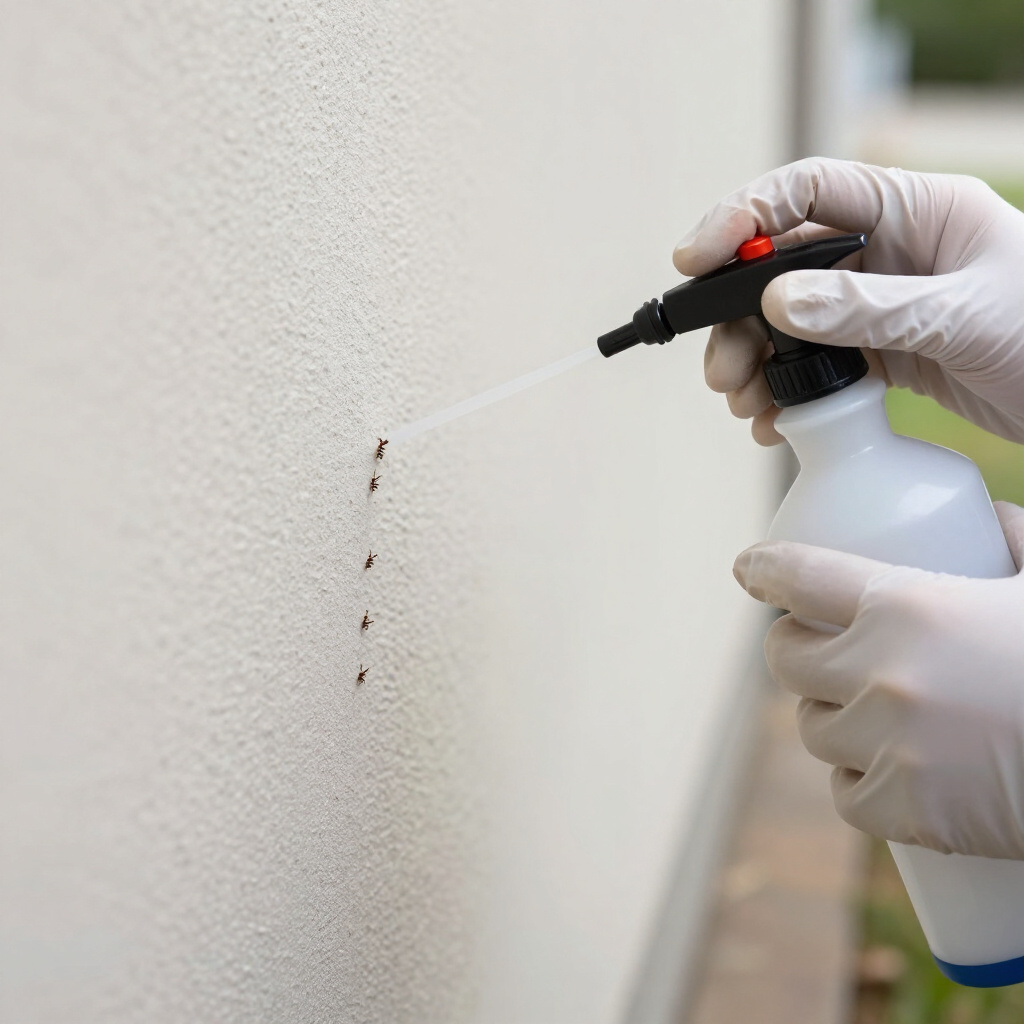


How to Choose a Pest Control Professional in Pulaski
Finding the right pest control provider in Pulaski means looking beyond flashy advertising to what actually matters for Giles County homes and businesses. The humid subtropical climate of southern Middle Tennessee creates ideal conditions for year-round pest pressure, from spring termite swarms to winter rodent invasions.
Start by verifying Tennessee Department of Agriculture licensing. Any technician applying restricted-use pesticides must carry proper certification. Ask specifically about experience with regional pest issues—Pulaski's proximity to the Elk River and surrounding agricultural areas means different challenges than urban markets.
Request a written inspection report before committing to treatment. Reputable companies document evidence of infestation, species identification, and a customized plan rather than pushing one-size-fits-all packages. Check whether they offer integrated pest management (IPM) approaches that minimize unnecessary chemical applications.
Finally, confirm service guarantees and follow-up protocols. Giles County's seasonal weather swings—hot, muggy summers and occasional hard freezes—mean pests behave unpredictably. Your provider should return between scheduled visits if activity persists.
What to Expect from Pest Control Services in Pulaski
Your first service typically begins with a comprehensive property assessment. A technician examines the foundation perimeter, crawl spaces, attic access points, and moisture-prone areas common in older Pulaski homes near the historic downtown district. They'll note landscaping that contacts the structure, firewood storage, and drainage patterns.
Based on findings, you'll receive a treatment proposal detailing target pests, methods, products, and pricing. For termite concerns common in Giles County's clay-heavy soils, this may include liquid barrier treatments or baiting systems. General pest control often involves perimeter foundation treatments with targeted interior applications only where warranted.
Scheduled maintenance typically follows quarterly for most residential accounts, though severe infestations or commercial kitchens may need monthly attention. Between visits, you should receive documentation of services rendered and any recommendations for structural repairs or habitat modifications that reduce future risk.
Available Pest Control Services
- Termite Control — Liquid treatments, bait systems, and pre-construction prevention for new builds
- General Pest Management — Ants, spiders, cockroaches, silverfish, and occasional invaders
- Mosquito Reduction — Seasonal barrier treatments for residential yards and outdoor event spaces
- Rodent Exclusion — Trapping, baiting, and sealing entry points for mice and rats
- Bed Bug Elimination — Heat treatment and conventional methods for residential and hospitality accounts
- Wildlife Management — Humane removal of squirrels, raccoons, and skunks with exclusion repairs
- Commercial Pest Programs — Customized plans for restaurants, warehouses, healthcare, and retail
- Moisture Control — Crawl space encapsulation and dehumidification to deter wood-destroying organisms
Frequently Asked Questions
How long does a typical pest control treatment take?
Initial residential services in Pulaski usually require 45–90 minutes depending on property size and infestation complexity. Follow-up maintenance visits are generally shorter, around 20–30 minutes for perimeter treatments.
Are pest control treatments safe for pets and children?
Licensed providers use EPA-registered products applied according to label directions. You'll typically receive instructions to keep pets and children away from treated areas until dry—usually 1–2 hours for liquid applications. Many companies now offer reduced-risk and botanical options upon request.
When is termite season in Giles County?
Eastern subterranean termites swarm in Pulaski from March through May, often after warm spring rains. However, active feeding and damage occur year-round. Annual inspections remain critical regardless of visible swarming activity.
Why do I still see pests after treatment?
Some initial increase in visible activity is normal as treatments disrupt harborage areas and drive pests from hiding. Established infestations often require multiple visits. Contact your provider if activity hasn't diminished within 7–10 days of service.
Do I need pest control in winter?
Yes. While outdoor insect activity decreases, rodents actively seek shelter in Pulaski homes during colder months. Overwintering pests like stink bugs and boxelder bugs also emerge on warm winter days. Year-round protection maintains consistent barriers.