
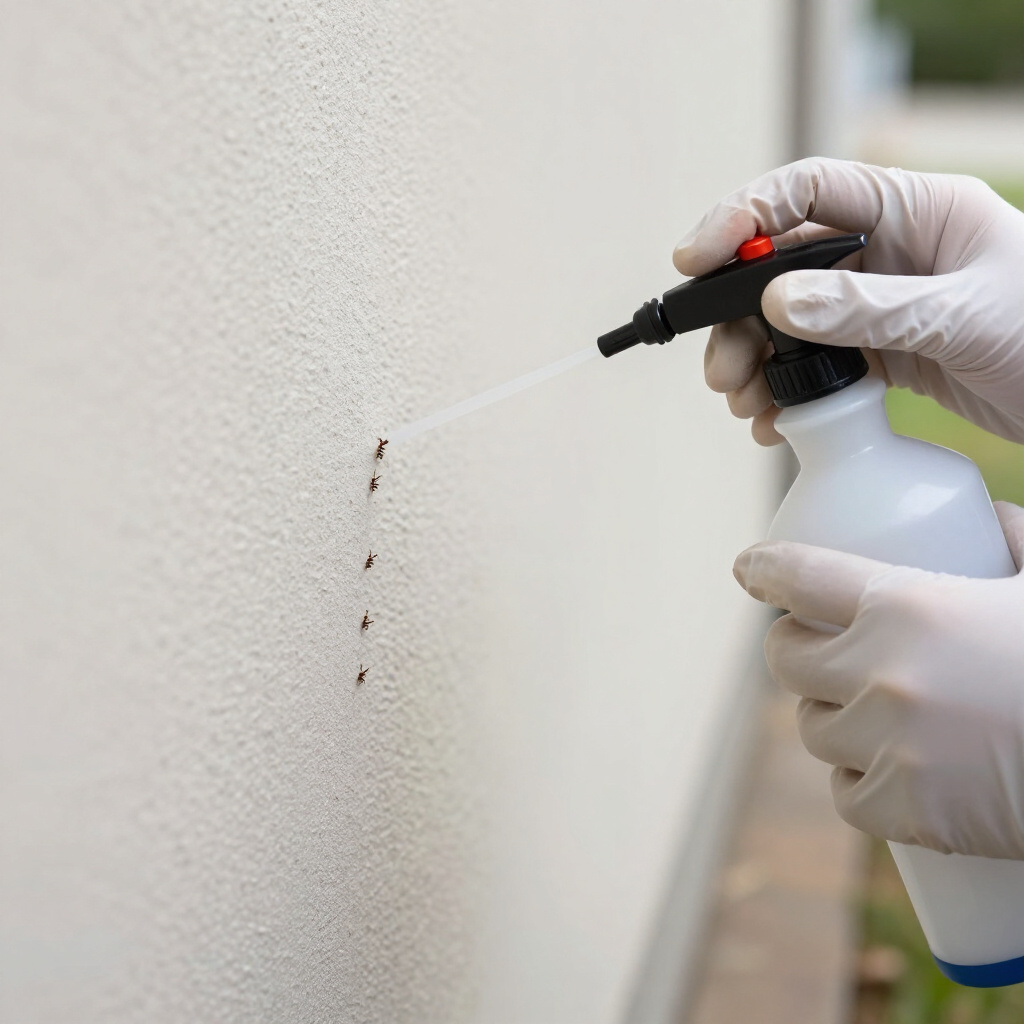


Pest Control Services in Lawrenceburg, TN
Living in Lawrenceburg means enjoying the natural beauty of southern Middle Tennessee, but the humid subtropical climate and rural surroundings also create ideal conditions for pests to thrive. From the neighborhoods near David Crockett State Park to homes along the Buffalo River, Lawrenceburg residents face unique pest challenges that require localized expertise.
Our pest control services for Lawrenceburg and all of Lawrence County address the specific problems this region presents. The combination of wooded areas, agricultural land, and seasonal temperature swings means pests remain active longer here than in many other parts of Tennessee. Whether you're dealing with termites in your crawl space, ants marching through your kitchen, or mosquitoes making your backyard unusable, professional treatment makes the difference between temporary relief and lasting protection.
We provide comprehensive residential and commercial pest management throughout Lawrenceburg, including the historic downtown district, newer subdivisions, and rural properties across Lawrence County. Each treatment plan considers your property's specific location, construction type, and surrounding environment to deliver targeted results without unnecessary applications.
Common Pests in Lawrenceburg
- Termites: Eastern subterranean termites pose significant threats to Lawrenceburg homes, particularly older properties with crawl spaces and wood-to-soil contact.
- Ants: Odorous house ants, fire ants, and carpenter ants all establish colonies throughout Lawrence County, requiring different treatment approaches.
- Mosquitoes: Standing water near the Buffalo River and its tributaries creates abundant breeding sites during warmer months.
- Spiders: Brown recluse spiders and wolf spiders frequently enter Lawrenceburg homes seeking shelter and prey.
- Rodents: Mice and rats seek indoor refuge when temperatures drop, often entering through gaps in foundations common in older homes.
- Stinging Insects: Paper wasps, yellow jackets, and hornets build nests in eaves, trees, and underground cavities.
Seasonal pest patterns in Lawrenceburg follow predictable cycles. Spring brings termite swarms and ant invasions as colonies expand. Summer peaks with mosquito activity and stinging insect populations. Fall triggers rodent entry as temperatures cool. Winter sees spiders and occasional indoor ant activity. Understanding these patterns allows us to implement preventive measures before problems escalate.
Commercial properties in Lawrenceburg—including restaurants along Military Street, warehouses near industrial areas, and agricultural facilities throughout Lawrence County—require specialized pest programs that comply with health regulations and protect business reputations. We develop customized protocols for each industry with detailed documentation for inspections and audits.
Frequently Asked Questions About Pest Control in Lawrenceburg
How often should Lawrenceburg homes receive pest control treatments?
Most Lawrenceburg properties benefit from quarterly maintenance treatments due to the extended warm season and high humidity that keeps pests active from March through November. Homes near wooded areas, water sources, or with crawl spaces may require bi-monthly service during peak activity periods. Properties with current infestations typically need more frequent initial treatments before transitioning to preventive maintenance.
Are the treatments safe for families with children and pets?
Yes, we use application methods and products specifically selected for safety around families and pets when applied according to label directions. Our technicians target treatment areas where pests travel and harbor rather than broadcasting chemicals broadly. We provide specific instructions about re-entry times and any temporary precautions needed after service. For Lawrenceburg homes with wells or near the Buffalo River watershed, we select products with favorable environmental profiles to protect local water resources.
What makes Lawrenceburg termite problems different from other areas?
Lawrenceburg's clay-heavy soils and abundant moisture create ideal conditions for eastern subterranean termites, the most destructive species in Tennessee. The prevalence of crawl space construction in Lawrence County homes provides easy access for termites to reach structural wood undetected. Additionally, the moderate winters here don't sufficiently reduce colony sizes, meaning termite pressure remains consistently high year-round. We recommend annual inspections and often install continuous monitoring systems for early detection, particularly for properties near David Crockett State Park and other heavily wooded areas where termite populations are especially dense.