


Common Pest Control Problems in Maryville
Living in Maryville means enjoying the beauty of Blount County's rolling hills and proximity to the Great Smoky Mountains. Unfortunately, that same natural landscape creates ideal conditions for pests to thrive. Homeowners throughout Maryville deal with persistent issues that worsen with East Tennessee's humid subtropical climate.
Termites remain one of the most destructive threats to Maryville properties. Eastern subterranean termites are active across Blount County, often causing thousands in damage before homeowners notice any signs. The area's clay-heavy soil and seasonal moisture create perfect tunneling conditions for these silent destroyers.
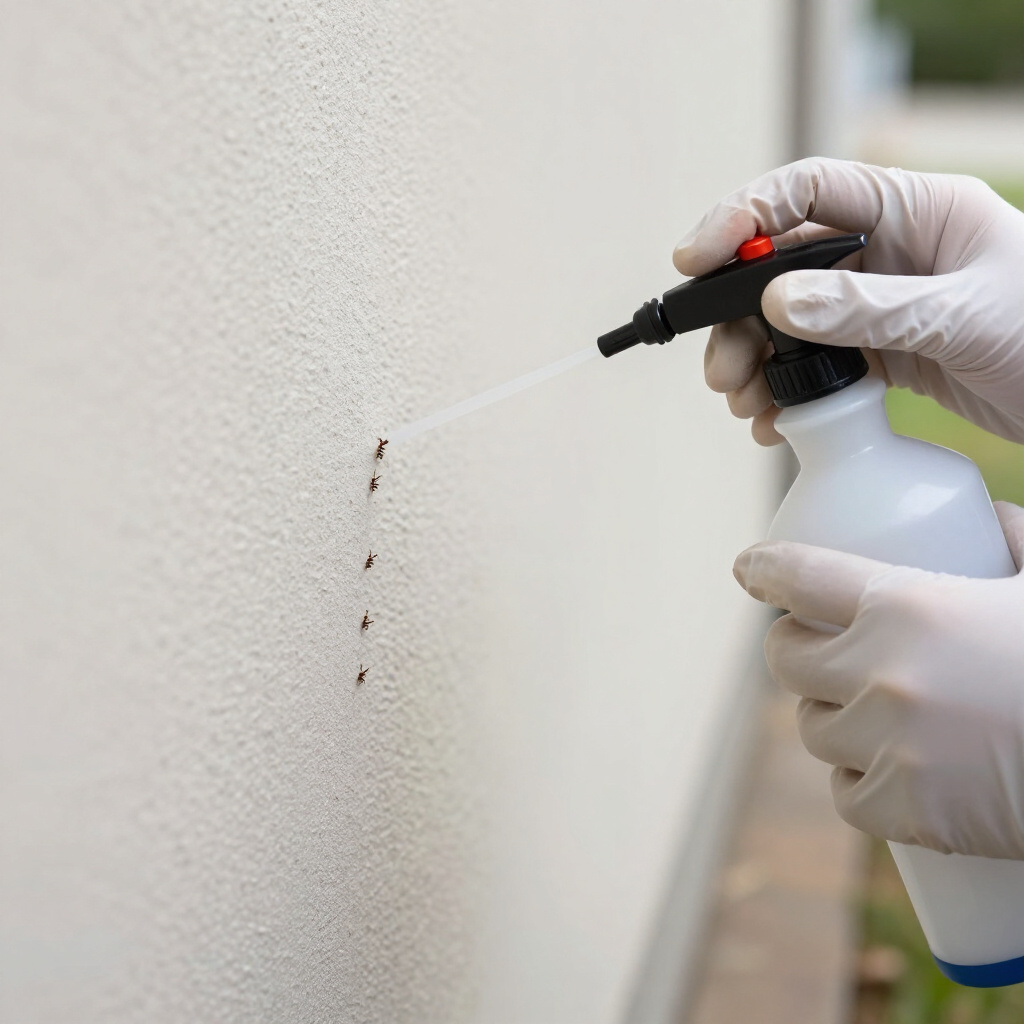
Ant infestations escalate rapidly during Maryville's warm months. Odorous house ants, pavement ants, and the particularly aggressive fire ant all establish colonies in residential neighborhoods. Kitchen invasions typically peak in late spring and summer when foraging activity intensifies.
Mosquitoes pose both nuisance and health concerns, especially for properties near Pistol Creek, Springbrook Farm, or other water features. Standing water from frequent afternoon thunderstorms provides ample breeding sites. Tick populations have also increased in recent years, with black-legged ticks carrying Lyme disease risk found throughout the region.
Spiders—including brown recluse and various wolf spider species—seek shelter in basements, crawl spaces, and garages as temperatures drop. Rodents follow similar patterns, with mice and rats pushing indoors during fall and winter months when rural and suburban edges of Maryville experience food scarcity.
Stinging insects create hazards around eaves, decks, and outbuildings. Paper wasps, yellow jackets, and bald-faced hornets all build nests in protected areas around Maryville homes through spring and summer.
How We Help Maryville Homeowners
Our approach starts with understanding Maryville's specific pest pressures. Blount County's mix of established neighborhoods, newer developments near US-411, and agricultural-adjacent properties requires customized strategies rather than generic treatment plans.
We begin every service with thorough inspection, identifying entry points, harborage areas, and conditions attracting pests to your property. Our technicians know the local building styles common in Maryville—from historic downtown homes to ranch-style houses in suburban developments—and adapt treatment methods accordingly.
Integrated pest management guides our work. This means combining targeted treatments with prevention recommendations, reducing reliance on chemical applications while achieving lasting results. We focus on breaking pest life cycles rather than providing temporary fixes that require repeated callbacks.
For termite protection, we install and monitor baiting systems and apply soil treatments where appropriate. Our mosquito reduction programs address both adult populations and breeding sites. Rodent control emphasizes exclusion—sealing entry points mice and rats exploit—before setting targeted trapping programs.
Emergency response matters when wasp nests threaten family members or bed bugs disrupt sleep. We maintain scheduling flexibility for urgent situations affecting Maryville residents.
Pest Control Services Available in Maryville
- Termite control and prevention — inspections, bait systems, liquid treatments, and damage assessments
- Ant elimination — identification of species and colony location, targeted baiting and barrier treatments
- Mosquito reduction programs — seasonal treatments with breeding site elimination
- Rodent control — exclusion work, trapping, and population management
- Spider control — interior and exterior treatments with web removal
- Stinging insect removal — safe nest elimination for wasps, hornets, and bees
- Bed bug treatments — heat and chemical options with follow-up verification
- Flea and tick yard treatments — pet-safe applications for outdoor spaces
- General pest protection plans — quarterly or bi-monthly preventive services covering multiple pests
- Commercial pest management — customized programs for Maryville businesses and restaurants
Pest Control Pricing in the Maryville Area
Service costs in Maryville reflect property size, pest type, infestation severity, and treatment frequency needed. General pest control for a typical single-family home generally ranges from $150 to $300 for initial service, with quarterly maintenance plans between $100 and $150 per visit.
Termite protection represents a larger investment, with preventive treatments ranging from $800 to $2,500 depending on home size and method selected. Ongoing monitoring adds annual costs but provides warranty protection against future damage.
Bed bug elimination typically requires $500 to $1,500 depending on room count and treatment approach. Rodent control with exclusion work ranges from $300 to $800 for initial service.
We provide upfront pricing before any work begins, with no hidden fees or mandatory long-term contracts for most services. Homeowners in Maryville's 37801 and 37803 zip codes receive local service without travel surcharges.
Frequently Asked Questions
How often should Maryville homes receive pest control service?
Quarterly preventive service provides adequate protection for most Maryville properties given our seasonal pest cycles. Homes with previous infestations, those near wooded areas, or properties with moisture issues may benefit from bi-monthly visits during peak activity periods.
Are treatments safe for pets and children?
Yes. We use application methods and product selections designed to minimize risk to families and pets. Specific re-entry times vary by treatment type, and our technicians always provide clear instructions before leaving your property.
Do you handle the pests common near the Foothills Mall and downtown Maryville areas?
Absolutely. Urban and commercial-adjacent Maryville neighborhoods experience distinct pest pressures including German cockroaches, rodents attracted to food service areas, and parking lot ant colonies. We tailor treatments for these concentrated environments.