


Common Pest Control Problems in Knoxville
Knoxville's location in the Tennessee Valley creates a humid subtropical climate that pests find irresistible. The combination of warm summers, mild winters, and abundant rainfall throughout Knox County means pest pressure never truly disappears—it simply shifts from one species to another.
Homeowners near the Tennessee River and its tributaries frequently battle subterranean termites, which thrive in the moist soil. These silent destroyers can compromise structural integrity before visible damage appears. Meanwhile, the wooded areas surrounding neighborhoods like Sequoyah Hills and Island Home provide ideal harborage for rodents, raccoons, and squirrels that eventually explore attics and crawl spaces.
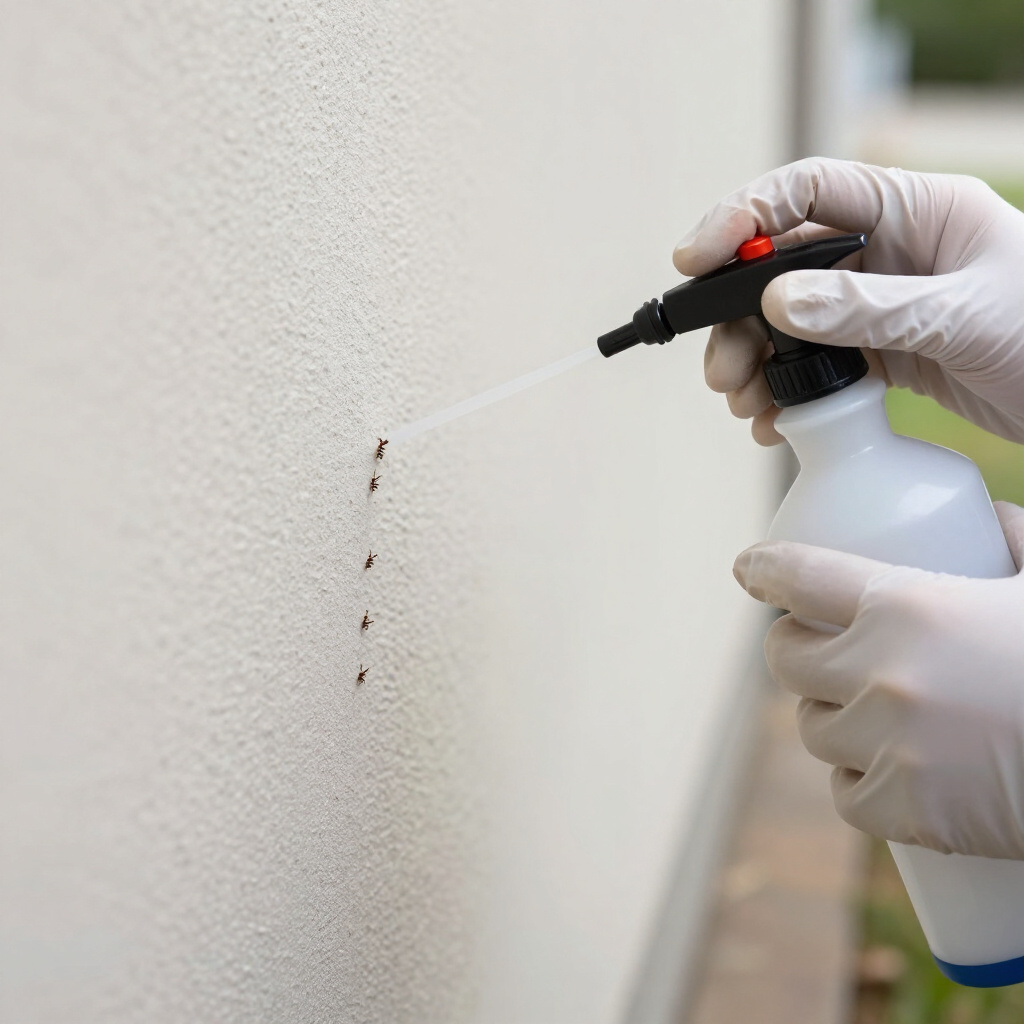
Seasonal patterns bring predictable invasions. Spring delivers ants—odorous house ants, pavement ants, and the particularly aggressive fire ants in southern Knox County. Summer escalates mosquito activity, especially in low-lying areas with poor drainage. Fall triggers stink bug and lady beetle clustering as insects seek overwintering shelter. Even winter offers no respite, with spiders, silverfish, and cockroaches moving indoors as temperatures drop.
The area's rapid growth has also introduced newer challenges. Construction disturbance displaces existing pest populations, while increased density creates more food sources and harborage opportunities. Historic homes in Fort Sanders and Parkridge face unique difficulties with aging infrastructure providing countless entry points.
How We Help Knoxville Homeowners
Effective pest management in Knoxville requires more than reactive treatments—it demands understanding local ecology and construction styles. Our approach begins with thorough inspection, identifying not just visible pests but conducive conditions specific to your property and its surroundings.
For termite concerns, we employ detection methods suited to East Tennessee's clay and loam soils, where traditional visual inspection alone often misses early infestations. Moisture management recommendations address the root cause of many pest issues in this region, from crawl space encapsulation to gutter and drainage corrections.
Our technicians are familiar with Knox County's varied topography, recognizing how hillside homes in West Knoxville face different pest pressures than valley properties in East Knoxville. We adjust treatment protocols accordingly, whether that means specialized attic applications for squirrel exclusion or targeted perimeter barriers for millipede outbreaks after heavy rains.
We prioritize methods that protect the area's natural resources, including nearby Great Smoky Mountains National Park watersheds. Integrated Pest Management (IPM) principles guide our service: solving the underlying problem rather than relying solely on chemical intervention.
Pest Control Services Available in Knoxville
Our comprehensive service menu addresses every pest concern common to Knox County residences and commercial properties:
- Termite Control — Liquid barrier treatments and monitoring systems tailored to Tennessee's termite species
- Moisture Control — Crawl space dehumidification and ventilation improvements that eliminate pest-friendly environments
- Rodent Exclusion — Sealing entry points and implementing population reduction for mice and rats
- Wildlife Management — Humane removal and exclusion of raccoons, squirrels, bats, and opossums
- Ant and Cockroach Programs — Targeted elimination with follow-up prevention
- Mosquito Reduction — Seasonal treatments for residential yards and outdoor commercial spaces
- Spider and Occasional Invader Control — Perimeter and interior management of crawling pests
- Bed Bug Elimination — Heat and chemical protocols for complete eradication
Commercial services extend to restaurants, healthcare facilities, warehouses, and multi-family housing throughout the Knoxville metro area, with documentation supporting regulatory compliance.
Pest Control Pricing in the Knoxville Area
Service costs in Knoxville reflect property size, pest type, infestation severity, and whether ongoing prevention or one-time correction is needed. Most residential general pest control plans range from $35 to $75 monthly, with initial treatments typically higher due to the intensive work required.
Termite protection represents a significant investment—liquid treatments generally fall between $800 and $2,500 depending on foundation type and linear footage, while bait monitoring systems involve lower upfront costs with ongoing annual fees. These expenses pale compared to the $5,000 to $15,000 in structural repairs an uncontrolled colony can necessitate.
Wildlife removal and exclusion services usually start around $300 for simple trapping and escalate with repair work needed to prevent re-entry. Rodent programs combining exclusion and population control typically run $200 to $500 initially, with maintenance options available.
We provide detailed, written estimates before any work begins, with no obligation inspections available throughout Knox County. Understanding your specific situation allows accurate pricing rather than misleading low-ball quotes that fail to solve the problem.
Frequently Asked Questions
What pests are most active in Knoxville during winter?
While outdoor pest activity slows, Knoxville winters drive rodents, spiders, cockroaches, and overwintering insects like stink bugs and lady beetles indoors. Attics, crawl spaces, and wall voids become primary harborage areas. Maintaining exterior sealing and interior monitoring remains important year-round.
How quickly can termites damage a Knoxville home?
Subterranean termites, the primary species in Knox County, can cause significant structural damage within 2 to 5 years of establishing a colony. However, multiple colonies may infest the same structure simultaneously. Given Knoxville's conducive climate and soil conditions, annual professional inspection is strongly recommended.
Are mosquito treatments effective in Knoxville's humid climate?
Yes, when applied strategically. Our mosquito reduction programs target resting sites and breeding locations on your property, typically reducing biting pressure by 70 to 90 percent during peak season. Monthly applications from April through October align with Knoxville's extended warm season for optimal results.
Do you service historic homes in Knoxville's older neighborhoods?
Absolutely. We regularly work on properties in Fort Sanders, Fourth and Gill, Parkridge, and Old North Knoxville. These homes require specialized approaches—gentle exclusion techniques that preserve architectural integrity, moisture solutions that don't compromise ventilation needs, and treatment methods adapted to construction materials no longer used in modern building.