
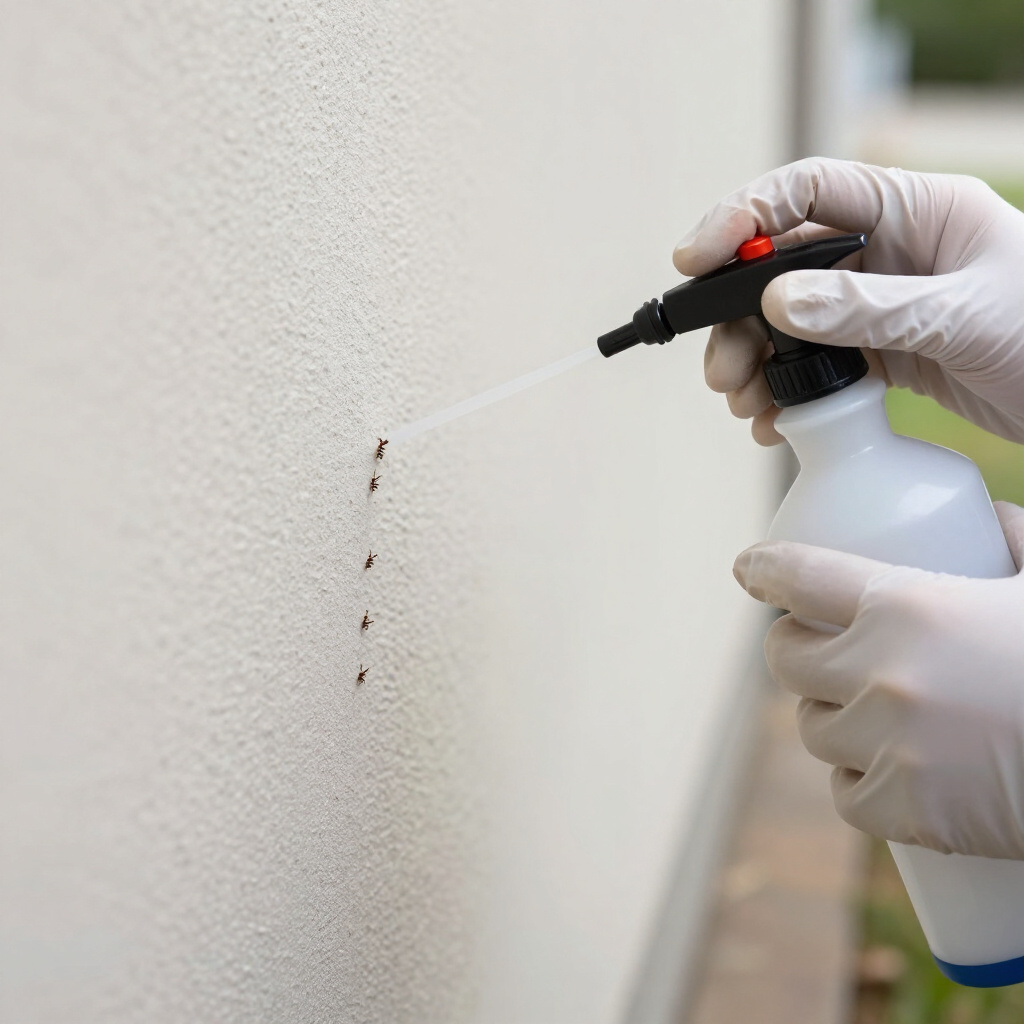


Pest Control Services in Nolensville, TN
Nolensville sits at the crossroads of rapid growth and rural Tennessee heritage, with new developments alongside established neighborhoods and rolling countryside. This unique blend creates pest pressures that differ from more urbanized parts of Williamson County. Homes near Nolensville Park, along Nolensville Road, and throughout the Bent Creek and Silver Stream communities face distinct seasonal challenges from ants, mosquitoes, termites, and rodents.
The town's location—bordering Davidson and Rutherford Counties—means pest activity often spills over from adjacent agricultural and wooded areas. Residents in newer construction frequently encounter odorous house ants and Argentine ants establishing colonies in freshly disturbed soil, while mature neighborhoods deal with subterranean termites in established landscaping and older wooden structures.
Our pest management programs for Nolensville properties address the specific conditions found in this transitional community. Treatments account for the area's clay-heavy soils that affect termite baiting systems, the creek corridors and greenways that harbor mosquitoes and wildlife, and the mix of housing densities from estate properties to townhome communities.
Seasonal services align with Middle Tennessee's pest calendar: spring ant swarms, summer mosquito and tick activity along the Mill Creek watershed, fall rodent movements as temperatures drop, and year-round termite monitoring. Each program is structured to the property's surroundings—whether backing to common areas, bordering active construction, or situated on former farmland.
Common Pest Issues in Nolensville
- Ants: Multiple species thrive in the area's varied soils, with pavement ants in hardscaped neighborhoods and fire ants in sun-exposed yards
- Termites: Eastern subterranean termites remain active throughout Williamson County, particularly in established subdivisions with mature mulch beds
- Mosquitoes: Breeding sites persist along Nolensville's creek systems and in standing water from irrigation and storm retention areas
- Rodents: Field mice and roof rats move into structures as surrounding fields convert to development, especially near construction zones
- Spiders: Brown recluse and wolf spiders frequent basements, crawl spaces, and garages in homes with wooded lots
- Stinging Insects: Paper wasps, yellowjackets, and hornets nest in eaves, playground equipment, and landscaping features
Service Coverage Areas
We provide pest control throughout Nolensville and surrounding Williamson County communities, including properties near:
- Bent Creek and Burkitt Place subdivisions
- Silver Stream and Winterset Woods
- Historic downtown Nolensville corridor
- Nolensville Park and recreational areas
- Properties along Wilson Pike and Nolensville Road
- New development corridors toward Trinity and Cool Springs
Frequently Asked Questions About Pest Control in Nolensville
How does new construction in Nolensville affect pest activity?
New development disturbs existing pest habitats, often driving ants, spiders, and rodents toward established homes. The imported soil and landscaping materials used in new builds can also introduce pests. We recommend perimeter treatments and monitoring for properties adjacent to active construction, with increased attention during the first two years of nearby development.
Are termites a serious concern in Nolensville homes?
Yes. Williamson County has moderate-to-heavy termite pressure, and Nolensville's clay soils allow subterranean termites to travel efficiently between food sources. The area's mix of new and aging wood structures, combined with irrigation-maintained landscaping, creates favorable conditions. Annual inspections and protective treatments are standard for responsible property maintenance in this region.
What can I do about mosquitoes near Mill Creek and area greenways?
Mosquitoes breeding in natural waterways require integrated management. We treat resting sites on your property and apply larvicide to standing water sources you control. For areas near creeks and common greenways, we coordinate with homeowners associations where applicable and focus on barrier treatments that reduce adult mosquito populations in usable yard spaces. Source reduction on your property—eliminating container water, maintaining gutters, and managing drainage—remains essential.