
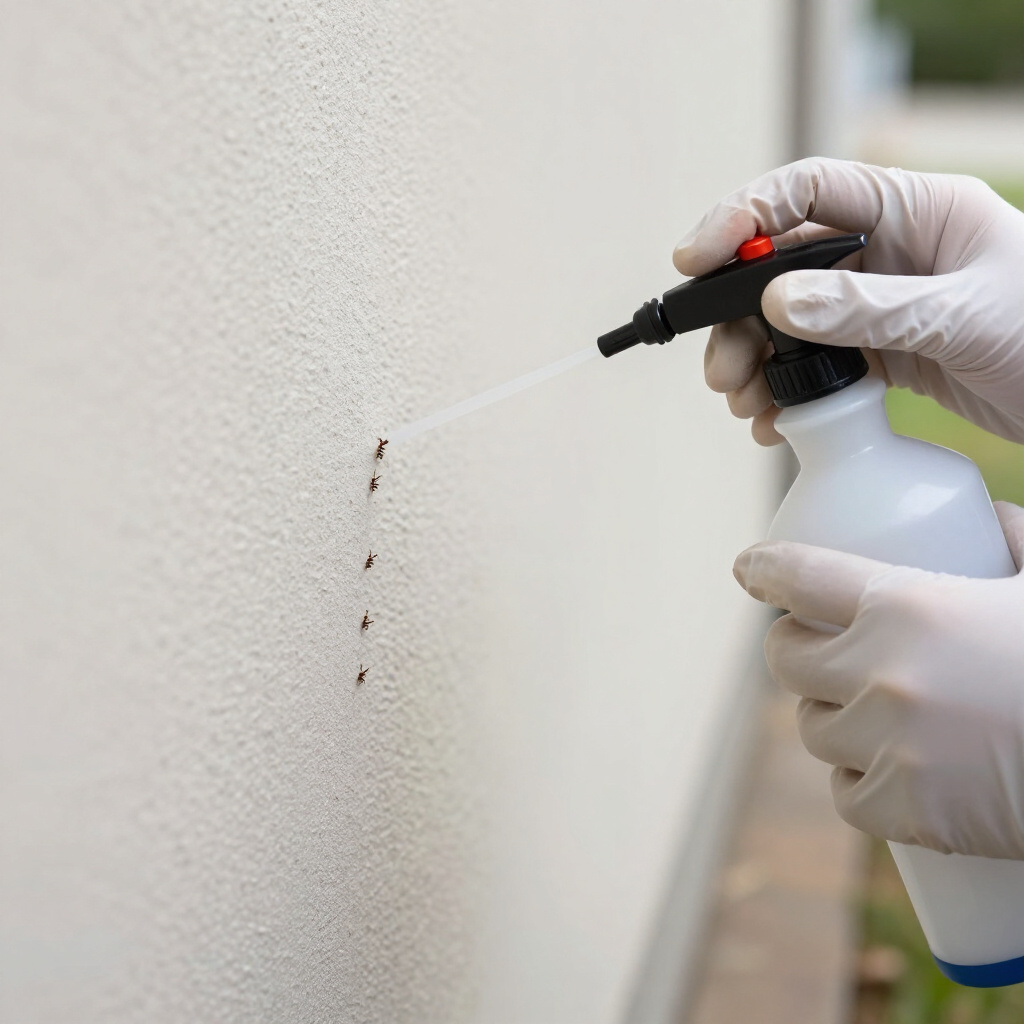


Professional Pest Control Services in Madisonville
Madisonville sits at the heart of Monroe County in the foothills of East Tennessee, where the humid subtropical climate and rolling Appalachian terrain create ideal conditions for a wide range of pests. From the older homes near downtown to newer developments along Highway 411, local properties face constant pressure from termites, ants, rodents, spiders, and seasonal invaders.
The area's combination of wooded lots, agricultural surroundings, and proximity to Tellico Lake and the Little Tennessee River watershed means pest pressures shift throughout the year. Spring brings swarming termites and carpenter ants. Summer drives mosquitoes and outdoor pests indoors. Fall sends rodents seeking shelter as temperatures drop. Winter rarely freezes deeply enough to eliminate pest populations entirely, making year-round management essential for Madisonville homeowners.
Professional pest control in Madisonville requires more than routine spraying. Technicians must understand the specific challenges of Monroe County's clay-heavy soils, which affect termite treatment methods, and the region's mature hardwood forests that harbor abundant wildlife and insect populations. Local knowledge of neighborhood construction styles—from historic farmhouses to modern ranch homes—ensures treatments address actual vulnerabilities rather than applying generic solutions.
Our Pest Control Services in Madisonville
We provide comprehensive pest management tailored to Madisonville properties and the surrounding Monroe County community:
- Termite Control and Prevention — Liquid barrier treatments, baiting systems, and wood-destroying organism inspections for homes near forested areas
- Ant and Crawling Insect Management — Targeted elimination of fire ants, carpenter ants, odorous house ants, and pavement ants common to East Tennessee
- Rodent Exclusion and Control — Sealing entry points, trapping programs, and ongoing monitoring for mice and rats
- Mosquito Reduction — Seasonal barrier treatments and breeding site management for properties near standing water
- Spider Control — Interior and exterior treatments targeting brown recluse, wolf spiders, and common web-building species
- Stinging Insect Removal — Safe nest removal for wasps, hornets, and yellow jackets
- Bed Bug Treatment — Thorough inspection and heat or chemical remediation
- General Pest Protection Plans — Quarterly or bi-monthly scheduled services with unlimited callbacks
Each service begins with a detailed property inspection to identify active infestations, conducive conditions, and potential entry points. Treatment plans are customized based on your home's construction, surrounding environment, and specific pest pressures.
What to Expect: Pest Control Costs in Madisonville
Pest control pricing in Madisonville varies based on the type of service, property size, and severity of infestation. Understanding typical cost ranges helps homeowners budget appropriately:
General Pest Control: Quarterly maintenance plans for standard household pests typically range from $300 to $550 annually. Monthly service during peak seasons may run slightly higher. Initial treatments often include an additional fee for thorough baseline protection.
Termite Control: Preventative liquid barrier treatments generally cost between $800 and $1,500 depending on home size and foundation type. Termite baiting systems require installation fees plus ongoing monitoring costs. Active termite infestations requiring remediation can exceed these baseline figures significantly.
Bed Bug Treatment: Whole-home heat treatment represents the most effective approach, usually ranging from $1,200 to $2,500 based on square footage and clutter level. Chemical treatments cost less initially but may require multiple visits.
Rodent Control: Initial exclusion and trapping programs typically start between $250 and $450, with ongoing monitoring available through maintenance plans.
Most providers in the Madisonville area offer free inspections and customized quotes. Bundling multiple services or committing to annual plans typically reduces per-visit costs compared to one-time treatments.
Areas We Serve in and Around Madisonville
Our technicians provide prompt service throughout Madisonville proper and across Monroe County, including:
Madisonville Neighborhoods: Downtown Madisonville, the College Street area, neighborhoods along Warren Street, and developing communities off Highway 68. We service properties throughout the 37354 ZIP code and surrounding rural addresses.
Nearby Communities: Tellico Plains to the southeast, Vonore along the lake, and the unincorporated areas of Rural Vale and Coker Creek. We also cover the broader Monroe County region including properties near the Cherokee National Forest boundary.
For homeowners just outside Monroe County or in adjacent market areas, we maintain service coverage through our extended network of East Tennessee pest control professionals.
Frequently Asked Questions
How long does a typical pest control treatment take in Madisonville?
Standard interior and exterior treatments for an average-sized home require approximately 45 minutes to one hour. Initial inspections and treatments for active infestations may take 60 to 90 minutes. Termite treatments or bed bug remediation require substantially more time, often spanning several hours.
Are pest control treatments safe for pets and children?
Modern pest control products applied by licensed professionals pose minimal risk when used according to label directions. Technicians typically request that pets and children remain away from treated areas until products dry—usually 30 to 60 minutes for exterior applications, slightly longer for certain interior treatments. Your technician will provide specific safety instructions based on products used.
Do I need pest control in winter if I don't see bugs?
Yes. Many Madisonville pests remain active year-round, especially rodents seeking indoor shelter. Additionally, winter treatments create protective barriers before spring swarming season. Skipping winter service often results in more severe infestations when temperatures rise and dormant populations become active again.