
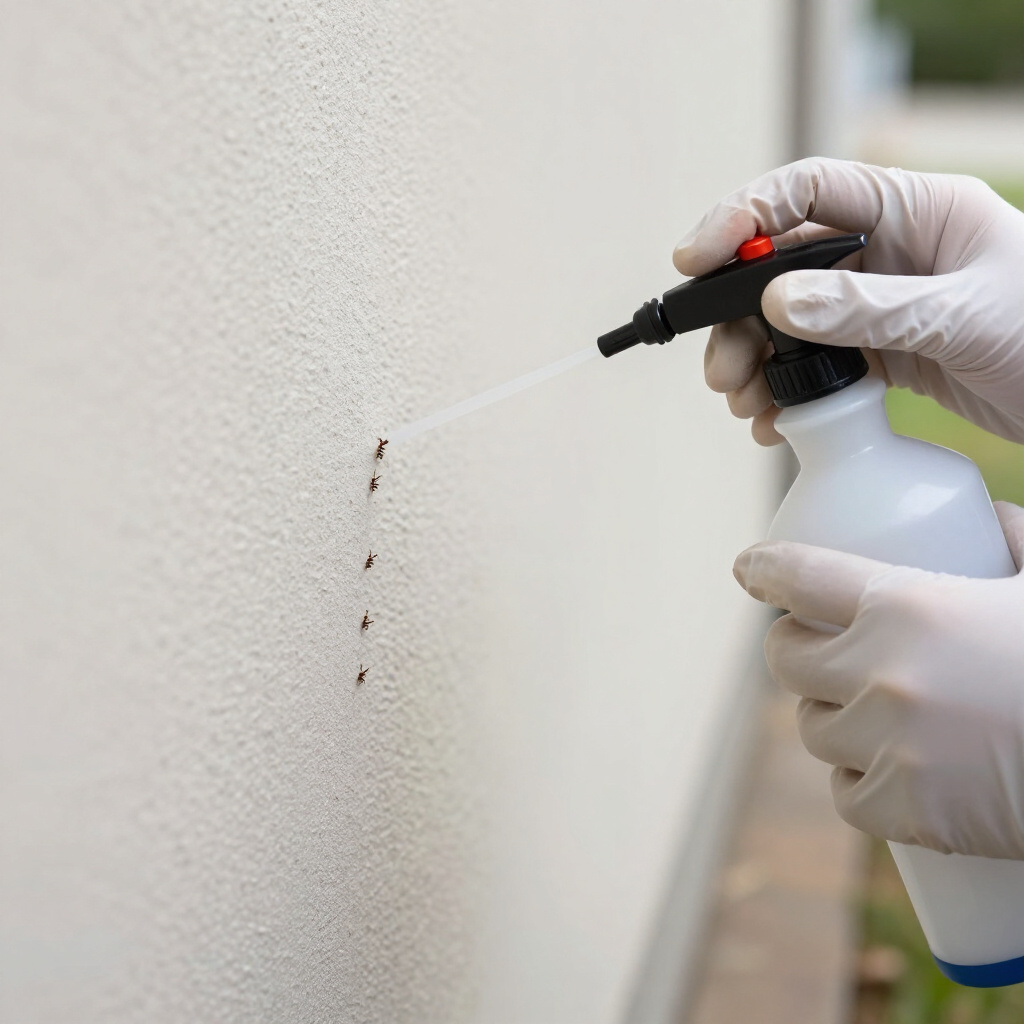


Professional Pest Control Services in Lakeland
Lakeland sits on the eastern edge of Shelby County where suburban neighborhoods meet open fields and wooded corridors. That mix of developed communities and natural habitat creates ideal conditions for pests to thrive and find their way into local homes. From the newer subdivisions near Canada Road to established properties along U.S. Highway 70, Lakeland residents deal with pest pressures that differ from those in denser parts of Memphis.
The city's location near the Loosahatchie River and its network of creeks and drainage ditches contributes to elevated moisture levels throughout much of the year. Standing water and humid conditions support robust mosquito populations, while the combination of wooded lots and maintained lawns provides shelter for ants, spiders, rodents, and occasional wildlife intruders. Seasonal temperature swings in West Tennessee drive pests indoors during cooler months and accelerate breeding cycles when warmth returns.
Homeowners in Lakeland benefit from working with pest control professionals who understand these local dynamics. Effective treatment requires more than applying products—it demands knowledge of how pests move through Shelby County's suburban-rural transition zone, where they nest, and how environmental factors specific to this area influence infestation patterns.
Our Pest Control Services in Lakeland
We provide comprehensive pest management solutions tailored to Lakeland's residential properties and surrounding acreages:
- General Pest Control: Ongoing protection against ants, spiders, roaches, silverfish, and common household insects with treatments designed for suburban homes on standard or larger lots
- Termite Inspection and Treatment: Formosan and Eastern subterranean termite control using liquid barriers and monitoring systems, critical for properties near wooded areas
- Mosquito Reduction: Seasonal yard treatments targeting breeding sites along property perimeters, near drainage areas, and in landscaping where moisture accumulates
- Rodent Control: Exclusion work and population management for mice and rats, particularly important for homes adjacent to fields or with crawl space access
- Bed Bug Treatment: Targeted heat and chemical protocols for infestations, with follow-up inspections to confirm elimination
- Wildlife and Nuisance Animal Removal: Humane trapping and exclusion for raccoons, squirrels, opossums, and other wildlife common to Lakeland's semi-rural setting
- Moisture and Vapor Barrier Services: Crawl space encapsulation and dehumidification to reduce conditions that attract pests and damage structures
Each service begins with a thorough property assessment to identify active pest issues, conducive conditions, and entry points specific to your home's construction and surroundings.
What to Expect: Pest Control Costs in Lakeland
Pest control pricing in Lakeland depends on several factors, including property size, the type of pest, infestation severity, and whether you need a one-time treatment or ongoing protection.
For most single-family homes in Lakeland's residential neighborhoods, general pest control plans typically range from $40 to $80 per month for recurring service, with initial treatments sometimes carrying a higher fee for the first visit. Homes on larger lots or with extensive crawl spaces may see adjusted pricing to account for additional treatment area.
Termite protection represents a separate investment, with liquid barrier treatments for average-sized homes generally falling between $800 and $1,500, plus annual renewal fees for monitoring and warranty coverage. Bed bug treatments, which require specialized equipment and multiple visits, often start around $500 per room and increase based on infestation spread.
Wildife removal costs vary significantly depending on the species, number of animals, and complexity of exclusion work needed. Simple trapping scenarios may resolve for a few hundred dollars, while comprehensive sealing of entry points on larger homes can exceed $1,000.
We provide detailed written estimates before any work begins, with no obligation to proceed. Many Lakeland homeowners find that preventive maintenance plans deliver the best long-term value by stopping problems before they require costly remediation.
Areas We Serve in and Around Lakeland
Our technicians cover all of Lakeland and frequently service properties in these neighborhoods and surrounding communities:
Within Lakeland
- Garner Lake area
- Canada Road corridor
- U.S. Highway 70 neighborhoods
- Stewart Road vicinity
- Arlington-Lakeland border properties
- Tyler Road and northern Lakeland
Nearby Towns and Communities
We also provide pest control throughout northern Shelby County and adjacent areas, including Arlington, Bartlett, Oakland, Millington, Atoka, and Germantown. Whether you're in a developed subdivision or on acreage with outbuildings, our service coverage extends to properties across this region of West Tennessee.
Frequently Asked Questions About Pest Control in Lakeland
What pests are most common in Lakeland homes?
Ants, spiders, and mosquitoes top the list due to Lakeland's wooded surroundings and drainage patterns. Termites pose serious structural risk given the area's soil conditions and prevalence of Eastern subterranean and Formosan colonies. Rodent activity increases in fall and winter when field mice seek shelter. Homes near open land may also encounter occasional wildlife issues with raccoons or squirrels.
How often should Lakeland homes receive pest control treatment?
Most properties benefit from quarterly service to maintain consistent protection through Tennessee's extended warm season. Homes with historical pest issues, those backing to wooded areas, or properties with crawl spaces may need bi-monthly visits during peak activity periods from March through October. We adjust schedules based on your specific situation rather than applying a universal approach.
Are pest control treatments safe for families with children and pets?
Modern pest control products applied by licensed professionals pose minimal risk when used according to label directions. We select formulations and application methods that target pest biology while reducing exposure to non-target organisms. Residents typically need to allow brief drying periods before re-entering treated exterior areas, and we provide specific guidance for each treatment type.