
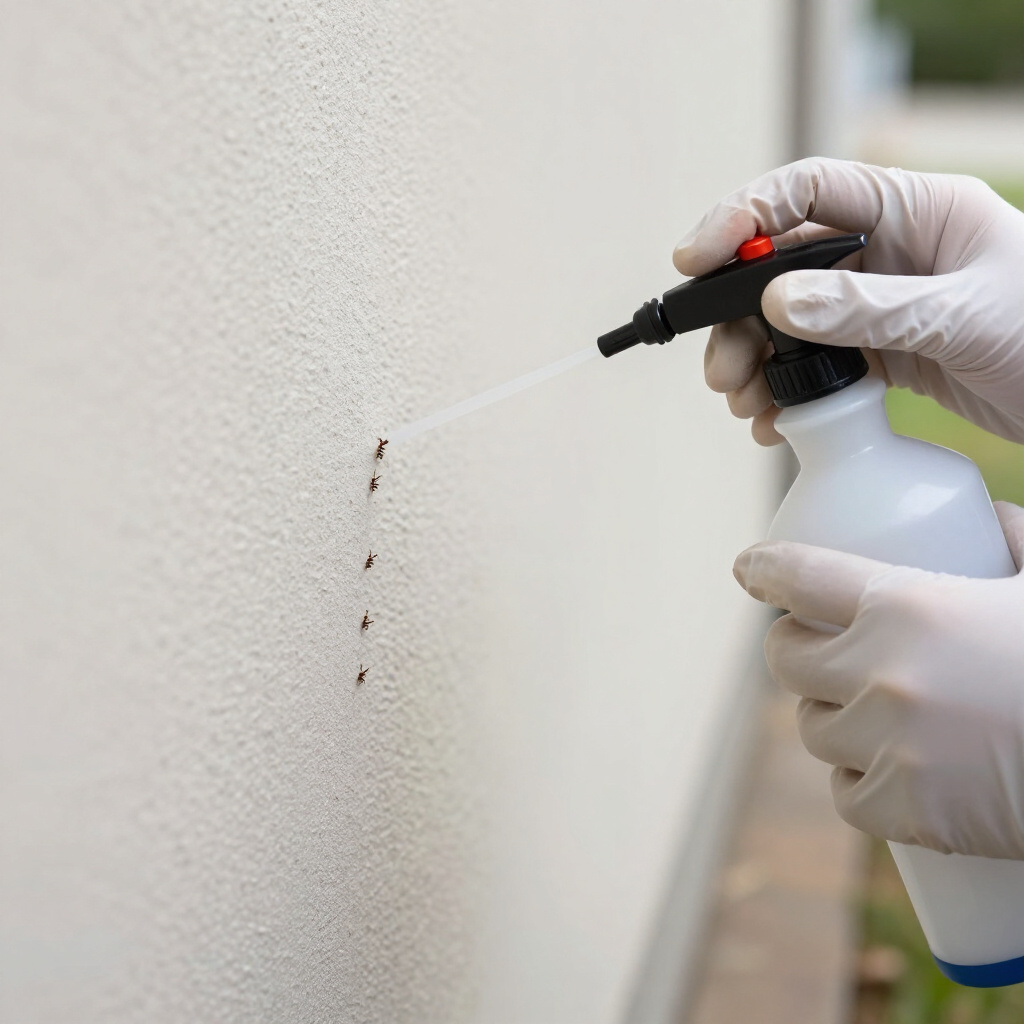


Professional Pest Control Services in Dyersburg
Dyersburg sits at the heart of Dyer County in northwest Tennessee, where the humid subtropical climate and proximity to the Forked Deer River create ideal conditions for pests to thrive. Homeowners throughout this historic railroad town face persistent challenges from termites, ants, mosquitoes, and rodents that flourish in the region's warm summers and mild winters.
The agricultural landscape surrounding Dyersburg—rich in cotton, soybean, and corn fields—naturally draws pests toward residential areas seeking food, water, and shelter. Combined with the area's established neighborhoods and newer developments near Highway 412, pest pressures remain constant year-round. Effective pest management here requires understanding local pest patterns, from spring termite swarms to fall rodent migrations seeking warmer spaces.
Professional pest control in Dyersburg addresses these region-specific challenges through targeted treatments that account for the unique environmental factors of west Tennessee. Whether you live in a historic home near downtown or a newer property in growing residential areas, customized approaches deliver lasting protection for your family and property.
Our Pest Control Services in Dyersburg
Residents throughout Dyer County have access to comprehensive pest management solutions designed for local conditions. Our service offerings include:
- Termite Control & Prevention — Subterranean termites pose significant threats to Dyersburg homes, particularly those with crawl spaces common in the area. Liquid barrier treatments, baiting systems, and ongoing monitoring protect structural integrity.
- Mosquito Reduction Programs — With standing water from river bottomlands and seasonal rains, mosquito populations spike from spring through fall. Monthly treatments during peak season reclaim outdoor spaces for family enjoyment.
- Ant Management — Odorous house ants, fire ants, and carpenter ants frequent Dyersburg properties. Identification-based treatments target colonies at their source rather than merely addressing visible foragers.
- Rodent Exclusion & Control — Mice and rats exploit gaps in foundations, utility entries, and aging structures. Trapping, baiting, and structural sealing prevent recurring infestations.
- General Pest Protection — Quarterly perimeter programs manage spiders, cockroaches, silverfish, and occasional invaders like millipedes and crickets common to the region.
- Bed Bug Elimination — Heat remediation and targeted insecticide applications resolve these challenging infestations in residential and multi-family settings.
Each service begins with thorough inspection to identify pest species, entry points, and conducive conditions specific to your Dyersburg property.
What to Expect: Pest Control Costs in Dyersburg
Pest control pricing in Dyersburg varies based on property size, infestation severity, and treatment type required. Understanding typical cost ranges helps homeowners budget appropriately for protection.
General pest prevention programs for average Dyersburg homes typically run between $40-$75 monthly or $120-$200 quarterly. These ongoing services provide the most economical long-term protection through regular barrier maintenance and early problem detection.
Termite treatments represent a larger investment, generally ranging from $800-$2,500 depending on home size, foundation type, and treatment method selected. Bait systems may involve lower upfront costs with ongoing monitoring fees, while liquid treatments offer immediate soil barrier protection. Warranties and annual renewal options vary by provider.
One-time services for specific issues like ant colonies or wasp nests typically fall between $150-$400. Bed bug elimination, requiring specialized equipment and multiple visits, generally starts around $1,000 for heat treatment in average-sized homes.
Free inspections allow accurate assessment of your specific situation before committing to treatment. Many Dyersburg homeowners find that bundling services or establishing annual agreements reduces overall costs compared to reactive, as-needed treatments.
Areas We Serve in and Around Dyersburg
Our pest control technicians regularly serve neighborhoods and communities throughout Dyer County and surrounding areas. In Dyersburg proper, we provide routine coverage to:
- Downtown Dyersburg historic district
- Milltown area
- Lake Road corridor
- Highway 412 east and west corridors
- Industrial park vicinity
- Forked Deer River adjacent properties
Beyond city limits, service extends throughout Dyer County including Newbern, Trimble, and rural farmsteads throughout the county. We also regularly travel to nearby communities for scheduled appointments and emergency pest situations.
For properties just across state lines or in neighboring counties, we maintain relationships with trusted providers to ensure consistent service quality throughout the region.
Frequently Asked Questions About Pest Control in Dyersburg
What pests are most common in Dyersburg homes?
Termites, ants, and mosquitoes top the list for Dyer County homeowners. Subterranean termites thrive in the area's moist soil conditions, while ants exploit slab foundations and crawl spaces. Seasonal mosquito pressure is significant from April through October. Rodents become problematic particularly in fall as temperatures drop and agricultural harvests conclude.
How often should Dyersburg homes receive pest treatment?
Most Dyersburg properties benefit from quarterly general pest maintenance to address the region's extended warm season. Homes with history of termite activity may require annual inspections alongside preventive treatments. Mosquito reduction typically requires monthly applications during peak breeding months. Your technician can recommend optimal frequency based on your property's specific risk factors.
Are pest treatments safe for families and pets?
Modern pest control products applied by licensed professionals carry minimal risk when used according to label directions. Technicians target application to pest harborage areas rather than broad broadcasting. Residents typically receive guidance on temporary evacuation periods and re-entry times. Many families remain in the home during exterior perimeter treatments with no disruption to daily routines.