
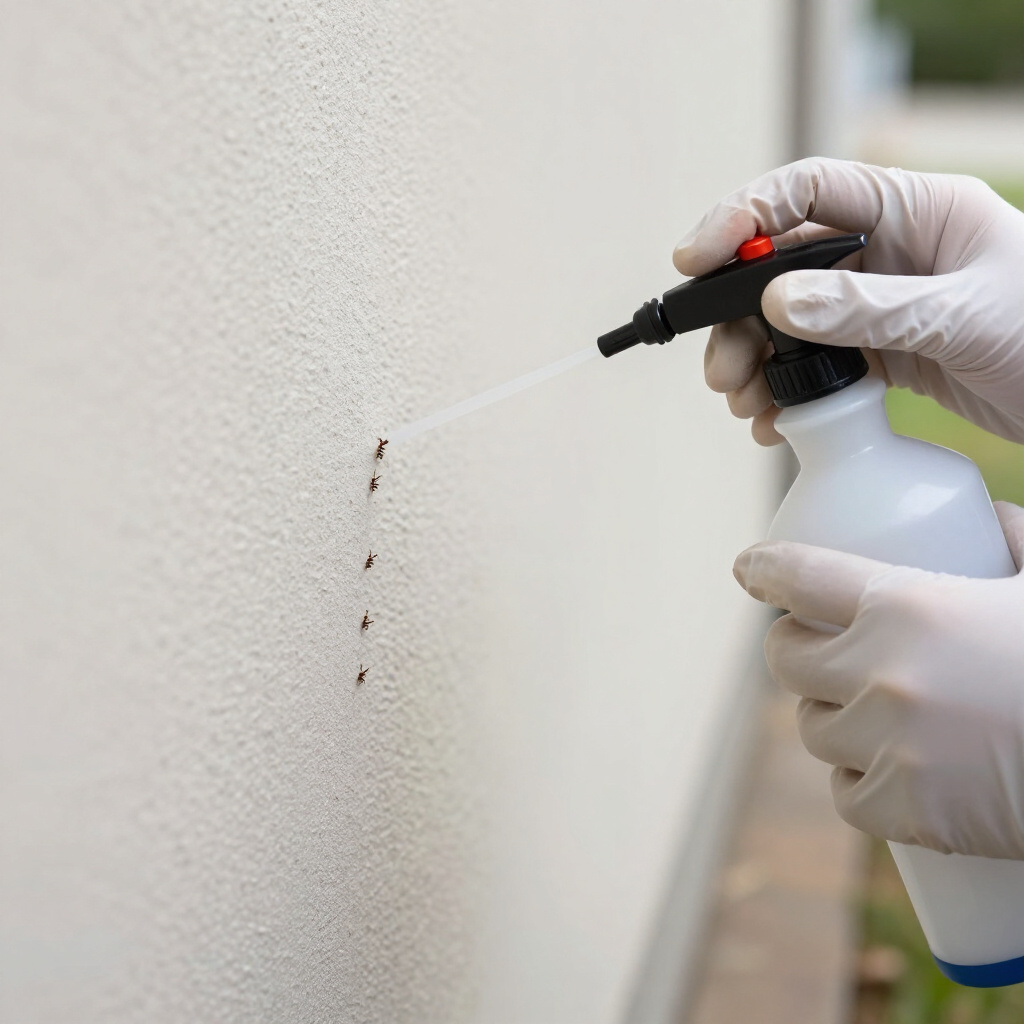
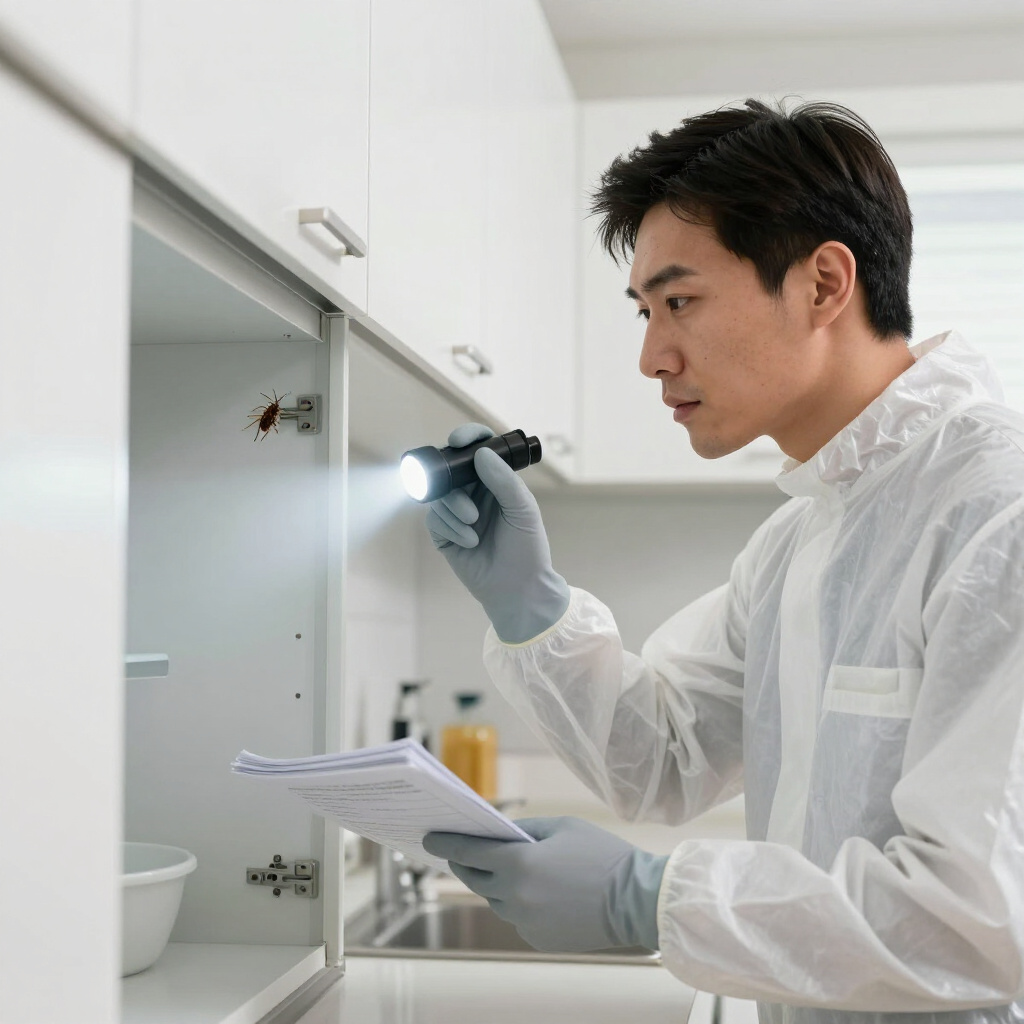
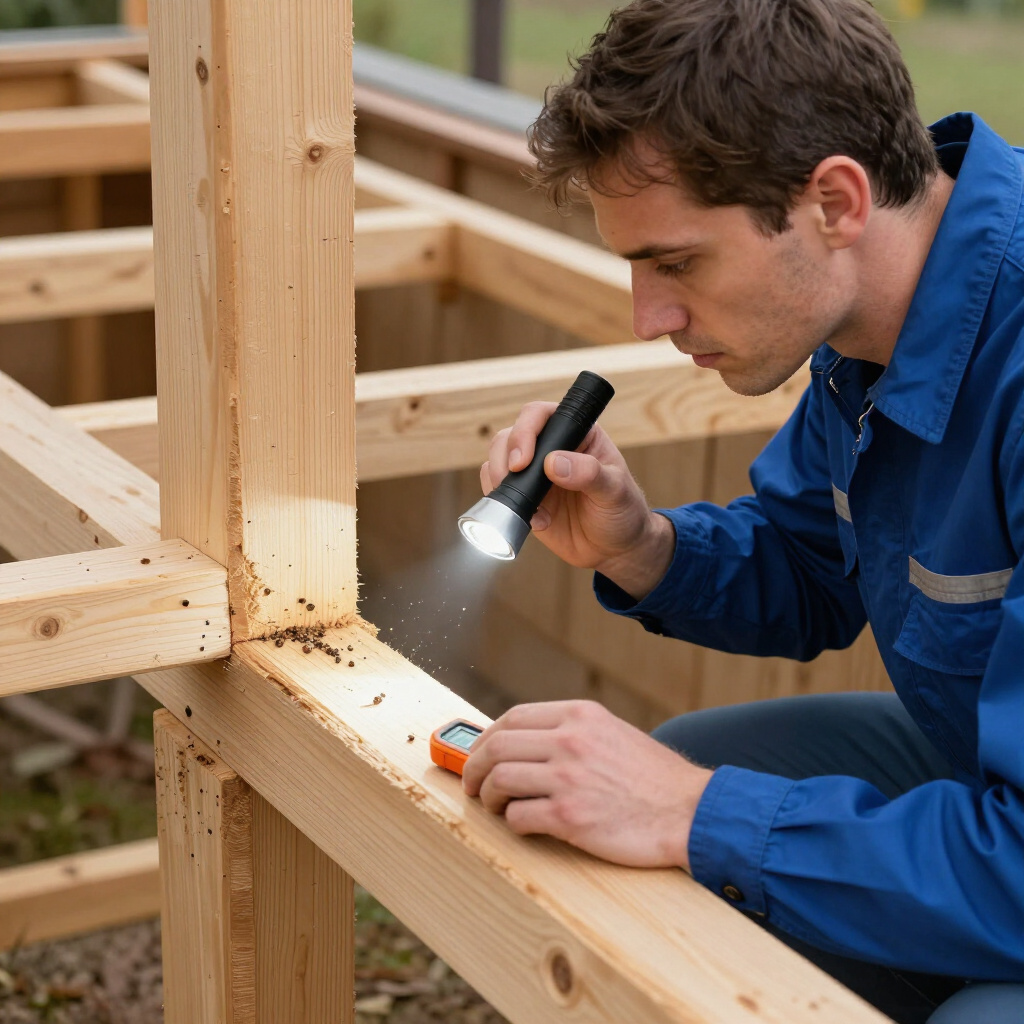
Discovering pests in your home can be unsettling. Whether it's a trail of ants in the kitchen or mysterious scratching sounds in the walls, many homeowners wonder if they should handle the problem themselves or bring in expert help. While DIY solutions work for minor issues, certain situations demand professional intervention. Knowing when to call a pest control professional can save you time, protect your health, and prevent costly property damage down the road.
When to Call a Pest Control Professional: Recognizing the Warning Signs
Some pest problems are obvious, while others develop quietly behind the scenes. Understanding the key indicators that signal it's time for expert assistance helps you act before a small nuisance becomes a major infestation.
One clear sign is the presence of pests during daylight hours. Nocturnal creatures such as cockroaches, mice, and rats typically avoid human activity. Spotting them in well-lit spaces often means their population has grown large enough that hiding places are overcrowded. Similarly, finding droppings, shed skins, or egg cases in multiple areas of your home suggests established colonies rather than occasional intruders.
Unexplained damage to your property also warrants professional attention. Termites silently consume wooden structures, often leaving only subtle clues like hollow-sounding timber, mud tubes along foundations, or discarded wings near windowsills. Rodents chew through electrical wiring, creating fire hazards, while carpenter ants excavate galleries in moist wood. When you notice these destructive patterns, DIY treatments rarely address the full scope of the problem.
Persistent pest activity after repeated self-treatment attempts indicates resistance or misidentification. Store-bought sprays and traps may kill visible pests while missing the source of infestation. Professionals bring targeted approaches based on proper species identification and behavior understanding.
Health and Safety Concerns That Require Expert Handling
Certain pests pose direct threats to human health, making professional pest control not just convenient but essential. Venomous spiders, stinging insects, and disease-carrying rodents all fall into this category.
Brown recluse and black widow spiders, found throughout many regions, deliver bites requiring medical attention. Attempting to remove these spiders without proper equipment and knowledge increases your risk of dangerous encounters. The same applies to wasp and hornet nests, particularly those located in hard-to-reach areas or near entry points where daily activity occurs.
Rodents and cockroaches contaminate food surfaces and transmit pathogens including salmonella and hantavirus. Their droppings and urine can trigger asthma and allergic reactions, particularly in children and sensitive individuals. When these pests appear in kitchens, pantries, or food preparation areas, professional-grade sanitation and exclusion methods become necessary to fully protect your household.
Wildlife intrusions present unique challenges. Bats, raccoons, and squirrels may carry rabies or other zoonotic diseases. Their removal often involves legal protections and humane handling requirements that professionals are trained to navigate safely.
Structural Risks and Complex Infestations
Your home's physical integrity can be compromised by pests working unseen for months or years. Termites alone cause billions of dollars in structural damage annually, and most homeowner insurance policies exclude this coverage. By the time visible signs appear, significant destruction may already exist beneath floors and behind walls.
Bed bug infestations exemplify complexity that overwhelms most DIY efforts. These resilient insects hide in mattress seams, furniture crevices, electrical outlets, and even picture frames. Their eggs resist many common insecticides, and incomplete treatment allows rapid population rebound. Heat treatment and integrated pest management approaches that professionals employ address all life stages simultaneously.
Recurring moisture-related problems often attract multiple pest species simultaneously. Fungus gnats, drain flies, silverfish, and springtails all indicate underlying humidity or drainage issues. Professionals identify these root causes and coordinate treatment with necessary environmental modifications.
Key Tips for Choosing and Working With a Pest Control Service
When you've determined that professional help is needed, selecting the right provider ensures effective resolution. Start by verifying licenses and certifications required in your state. Reputable companies employ technicians who undergo continuing education on integrated pest management principles and safety protocols.
Request detailed inspection reports before committing to treatment. Quality professionals thoroughly investigate your property, identify entry points, explain findings, and present customized options rather than one-size-fits-all solutions. Be wary of high-pressure sales tactics or quotes provided sight unseen.
Ask about treatment methods and products used. Modern pest control emphasizes targeted applications with minimal environmental impact over blanket spraying. Many companies now offer botanical-based alternatives, baiting systems, and exclusion techniques that reduce chemical reliance while maintaining effectiveness.
Understand warranty and follow-up policies clearly. Effective pest management often requires multiple visits, particularly for stubborn infestations. Transparent communication about what to expect, preparation requirements, and prevention recommendations demonstrates professional commitment to lasting results rather than quick fixes.
Finally, implement recommended prevention measures between visits. Sealing cracks, improving ventilation, eliminating standing water, and proper food storage all extend treatment benefits and reduce future pest pressures on your home.
Final Thoughts
Deciding when to call a pest control professional ultimately comes down to assessing risks, recognizing limitations, and prioritizing your family's wellbeing. Minor, isolated incidents may resolve with careful DIY attention, but ongoing activity, health hazards, property damage, or complex infestations demand trained expertise. Acting promptly when warning signs appear prevents escalation and typically reduces overall treatment costs. Your home deserves protection from pests that threaten comfort, health, and structural integrity—and knowing the right moment to seek professional help is the first step toward maintaining that sanctuary.