

Termites are often called "silent destroyers" for good reason. These tiny insects can cause extensive damage to your home before you even realize they've moved in. Unlike other pests that announce their presence with bites, noises, or visible trails, termites prefer to work in secret—chewing through wood, drywall, and even flooring from the inside out. By the time most homeowners notice signs of termites, significant damage may already be done. Learning to recognize the early warning indicators can save you thousands of dollars in repairs and protect the structural integrity of your biggest investment.
Signs You May Have Termites: What to Look For
Knowing what to watch for is your first line of defense against these destructive pests. Here are the most common indicators that termites have established themselves in or around your property.
Mud tubes on exterior walls are one of the most telltale signs of subterranean termites. These pencil-thin tunnels made of soil, wood particles, and saliva allow termites to travel between their underground colony and their food source while staying protected from dry air and predators. Check along your foundation, inside crawl spaces, around plumbing penetrations, and in basements. Breaking open an active mud tube may reveal pale, soft-bodied workers, but even empty tubes warrant professional inspection since termites may have simply moved to another area of your home.
Swarming winged insects or discarded wings often signal an active or recently established colony. Reproductive termites, called swarmers, emerge in spring to mate and start new colonies. They resemble flying ants but have straight antennae, equal-length wings, and a broad waist. After swarming, they shed their wings, leaving behind small piles near windowsills, doors, or light fixtures. Finding these wings—especially indoors—strongly indicates a mature colony nearby.
Hollow-sounding or damaged wood reveals where termites have been feeding. Tap wooden beams, baseboards, window frames, and hardwood floors with a screwdriver handle. Solid wood produces a dull thud; hollow wood sounds papery or resonates. Advanced damage may cause wood to crumble easily or show a honeycombed interior when probed. Pay special attention to areas with moisture problems, as damp wood attracts termites.
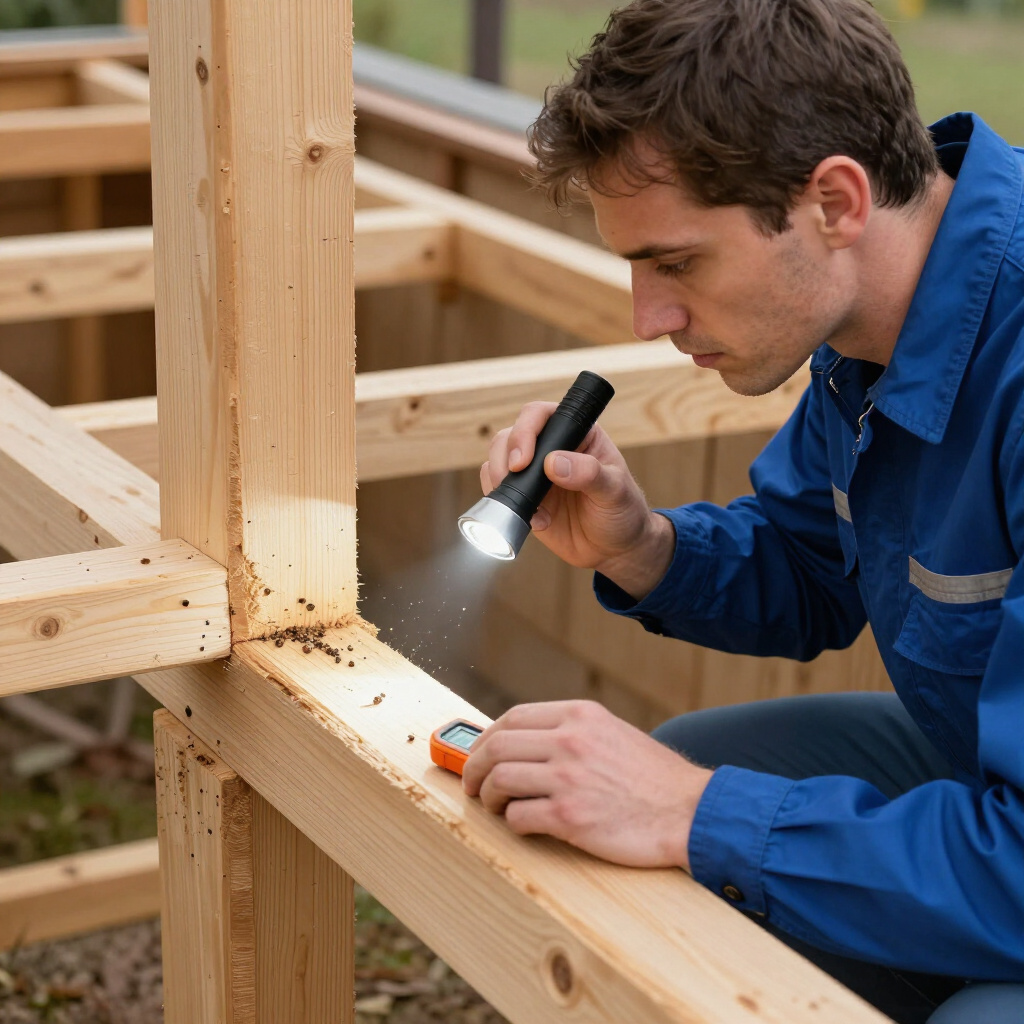
Frass (termite droppings) looks like tiny wood-colored pellets or sawdust and often accumulates beneath kick-out holes that drywood termites create in infested wood. Unlike subterranean termites, drywood species don't use mud tubes and instead push their waste out of small openings. Finding mysterious piles of granular material near wooden structures warrants immediate investigation.
Bubbling or peeling paint can mimic water damage but may actually indicate termite activity beneath the surface. As termites consume wood and create moisture, the paint above distorts. Similarly, sagging or discolored drywall, loose tiles, and buckling laminate flooring may all result from termite damage and the moisture they introduce.
Tight-fitting doors and windows that suddenly become difficult to open could signal warping from termite damage and moisture, not just seasonal humidity changes.
Where Termites Hide and How They Spread
Understanding termite behavior helps you inspect the right areas. Subterranean termites require soil contact and build mud tubes to reach above-ground food. They favor crawl spaces, basements, and ground-floor structures. Drywood termites need no soil contact and can infest attic framing, furniture, and upper stories. Dampwood termites target moist, decaying wood like that found in leaky areas or woodpiles.
Termites spread through swarming, contaminated lumber, and ground contact between structures. Firewood stacked against your home, wooden mulch touching the foundation, and untreated fence posts embedded in soil all create bridges for termites. Even neighboring infestations can expand into your property over time.
Key Tips for Protecting Your Home
Prevention and early detection go hand in hand. Schedule annual professional inspections, especially if your home has a history of termite activity or sits in a high-risk area. Most homeowner insurance policies exclude termite damage, so proactive monitoring protects your finances.
Reduce moisture around your foundation by maintaining proper grading, cleaning gutters, and fixing leaks promptly. Keep firewood, lumber, and mulch at least twenty inches from your home's exterior. Ensure crawl spaces have adequate ventilation, and consider pre-treatment or bait systems during new construction or renovations.
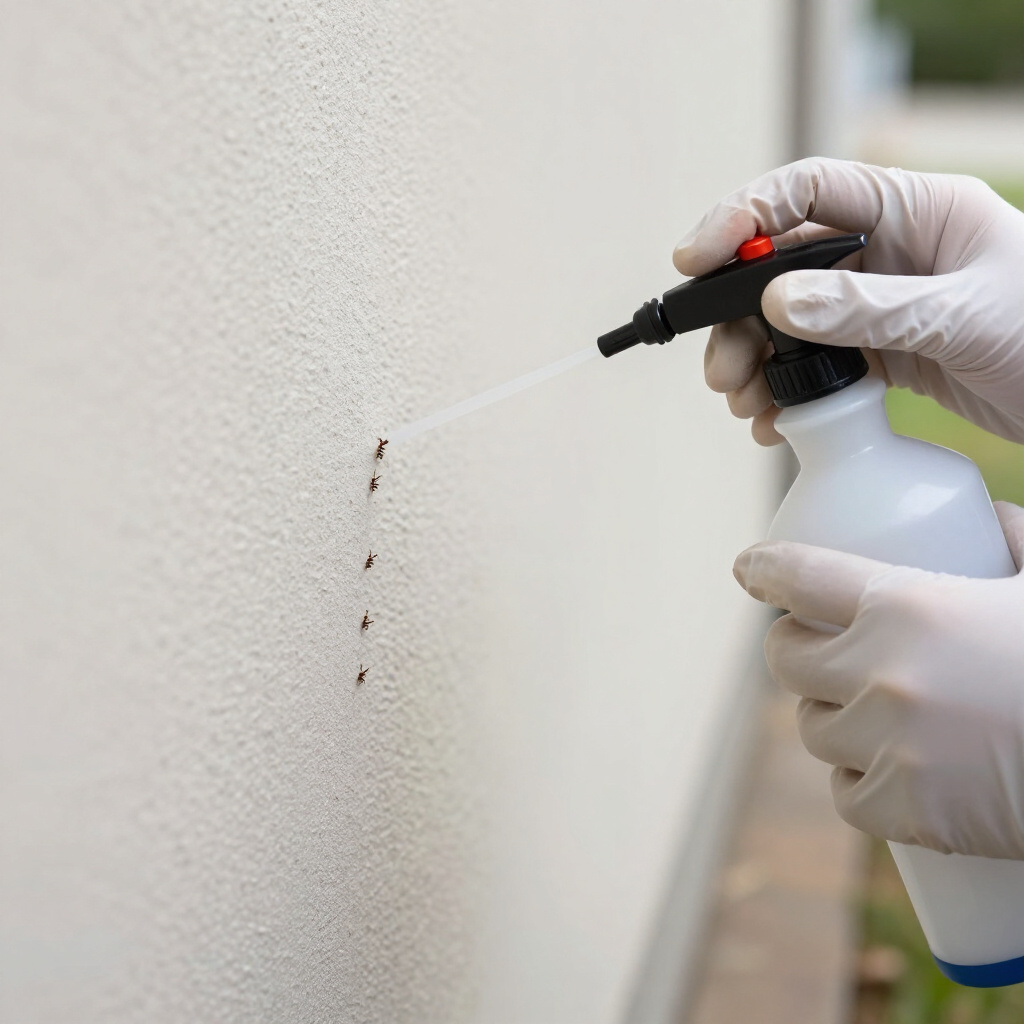
If you discover any signs you may have termites, resist the urge to handle treatment yourself. Store-bought sprays and DIY methods often scatter colonies, making professional eradication more difficult and expensive. Licensed pest control professionals can identify the termite species, locate all active areas, and recommend appropriate treatment—whether that's liquid soil barriers, baiting systems, or localized wood treatments.
Document everything you observe, including photos of suspected damage, swarmers, or mud tubes. This information helps professionals assess the situation quickly and accurately during their inspection.
Final Thoughts
Termites cause billions of dollars in property damage annually, but vigilant homeowners can catch infestations before catastrophic destruction occurs. The key is knowing what to look for and acting swiftly at the first suspicion. Regular inspections, moisture control, and professional partnership form your best defense against these relentless pests. If you've noticed mud tubes, discarded wings, hollow wood, or any other warning signs discussed here, contact a qualified pest control specialist for a thorough evaluation. Your home's structural health—and your peace of mind—depend on it.