
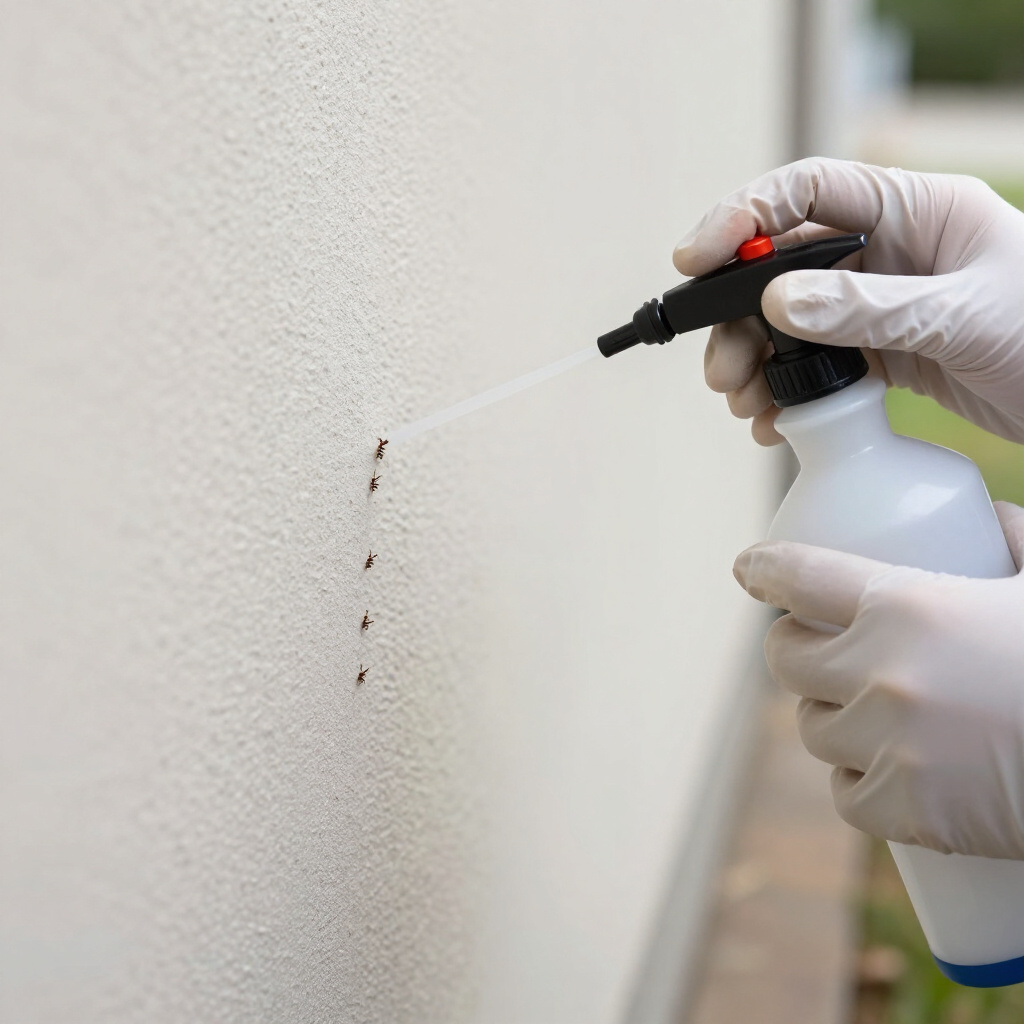


Every season brings its own charm—blooming flowers in spring, warm summer evenings, crisp autumn air, and cozy winter nights. Unfortunately, each season also brings its own lineup of unwanted visitors trying to make themselves at home in your house. A proactive, year-round approach to pest management saves you stress, money, and the discomfort of dealing with full-blown infestations. This seasonal pest control checklist for homeowners will help you stay one step ahead of the critters that want to move in rent-free.
Spring: Seal Entry Points and Address Moisture
As temperatures rise, pests emerge from their winter hiding spots with one thing on their minds: finding food, water, and shelter. Ants begin their march indoors, termites swarm to establish new colonies, and spiders become more active. This is your most important season for preventive action.
Start with a thorough exterior inspection. Walk around your home and examine the foundation, siding, and roofline for cracks, gaps, and holes. Pay special attention to areas where utilities enter the house—pipes, cables, and dryer vents create perfect highways for pests. Seal openings with appropriate materials: steel wool for larger gaps combined with caulk, weatherstripping for doors and windows, and fine mesh screens for vents and chimneys.
Moisture control deserves equal attention. Clean your gutters and downspouts to prevent water accumulation near the foundation. Fix leaky outdoor faucets and ensure proper drainage around your property. Inside, check under sinks, behind appliances, and in basements for any plumbing issues. Many spring pests, including silverfish and cockroaches, are drawn to damp environments. Trim back shrubs and tree branches that touch your home—these act as bridges for ants, rodents, and other pests seeking entry.
Consider scheduling a professional termite inspection during spring, as this is prime swarming season. Early detection can prevent catastrophic structural damage that often goes unnoticed until repairs become extensive.
Summer: Manage Outdoor Attractions and Monitor Activity
Summer's heat drives pests to seek the cool refuge of your air-conditioned home while outdoor populations explode. Mosquitoes breed in standing water, wasps construct nests under eaves, and flies multiply rapidly. Meanwhile, fleas and ticks hitch rides on pets and people, carrying diseases into your living space.
Your weekly routine should include eliminating standing water throughout your property. Empty birdbaths, flowerpot saucers, clogged gutters, and any containers that collect rainwater. Refresh pet water bowls frequently. For permanent water features, consider mosquito dunks containing Bacillus thuringiensis—safe for wildlife but lethal to mosquito larvae.
Food management becomes critical. Keep garbage cans tightly sealed and clean them regularly with soap and water. Store pet food in airtight containers rather than leaving bowls out overnight. After barbecues, promptly clean grills and remove food debris from outdoor dining areas. Indoors, wipe counters daily, store ripe fruit in the refrigerator, and never leave dirty dishes in the sink.
Monitor for wasp and hornet nests during early summer when colonies are small and manageable. Check eaves, porch ceilings, sheds, and play structures. If you spot nest construction, address it promptly—waiting only means dealing with hundreds more aggressive insects later. Inspect window screens for tears and repair or replace damaged sections to keep flies and mosquitoes outside where they belong.
Fall: Block the Winter Migration
As days shorten and temperatures drop, pests sense the coming cold and scramble to find winter shelter. Stink bugs, boxelder bugs, lady beetles, and cluster flies gather on sunny exterior walls before slipping through the smallest openings. Rodents become particularly desperate, squeezing through gaps the width of a pencil to access your warm attic and wall voids.
Repeat your spring sealing routine with extra diligence. Focus on the upper stories and roof areas where flying insects typically enter. Install door sweeps on exterior doors and garage entries. Cover attic vents with quarter-inch hardware cloth rather than standard screening, which mice can chew through. Caulk around window frames, utility penetrations, and where siding meets the foundation.
Remove outdoor attractions before pests relocate them indoors. Harvest garden produce promptly, clear fallen fruit from under trees, and maintain compost bins properly—turning regularly and keeping them covered. Move firewood piles at least twenty feet from your home and elevate them off the ground. Rodents nesting in woodpiles will gladly expand their territory into your house.
Inside, declutter storage areas where pests could hide undisturbed. Organize basements and attics with plastic bins instead of cardboard boxes, which provide both food and shelter for silverfish, roaches, and rodents. Install proper attic ventilation to reduce humidity that attracts pests seeking overwintering spots.
Winter: Maintain Vigilance During Dormancy
Winter might seem like a pest-free season, but appearances deceive. While outdoor activity diminishes, the pests that entered in fall remain active inside your walls, attic, and basement. Mice and rats continue foraging, cockroaches thrive in heated environments, and overwintering insects may emerge on warm days, confused by indoor temperatures.
This quiet season offers the perfect opportunity for deep prevention work that busier months don't allow. Inspect your attic for signs of rodent activity: droppings, gnawed wires, shredded insulation used for nesting, and grease marks along beams. Listen for scratching sounds in walls or ceilings, particularly at dawn and dusk when mice are most active. Set traps in suspected areas, placing them perpendicular to walls where rodents travel.
Check stored holiday decorations before bringing them indoors—spiders, silverfish, and even mice may have taken up residence in boxes stored in garages or sheds. Unpack items outside or in the garage rather than directly in living areas. When the season ends, store decorations in sealed plastic containers with tight-fitting lids.
Maintain your exterior defenses despite the cold. Snow accumulation against foundations can create moisture problems and hide entry points. Keep snow cleared back several inches and ensure melting snow drains away from your home. Continue monitoring indoor humidity levels—dry winter air drives some pests deeper into your home while excessive humidity in basements creates problems of its own.
Key Tips for Year-Round Success
Consistency separates effective pest management from reactive scrambling. Establish a simple calendar system—digital reminders or physical notes—to ensure seasonal tasks actually happen when needed. Partner with a reputable pest control professional for annual inspections; trained eyes spot vulnerabilities homeowners routinely miss, and preventive treatments for termites and other wood-destroying organisms provide peace of mind that DIY efforts cannot match.
Practice integrated pest management by combining multiple strategies rather than relying solely on chemical treatments. Cultural controls like sanitation and exclusion form your foundation, with targeted interventions reserved for specific problems. This approach protects your family, pets, and beneficial insects while delivering superior long-term results.
Document what you observe. Note when particular pests appear, where you find them, and what conditions seem associated with their presence. This record helps identify patterns and allows faster, more precise responses in future years. It also proves invaluable when working with professionals who can use your observations to customize treatment approaches.
Finally, involve your entire household in pest prevention. Children can learn to close doors promptly and not leave snacks in bedrooms. Partners can share responsibility for pet food management and landscaping maintenance. Pest control succeeds as a team effort, not one person's burden.
Final Thoughts
Your home represents a significant investment of money, time, and emotional energy. Protecting it from pests requires attention throughout the year, but the effort pays dividends in preserved property value, avoided health risks, and the simple comfort of knowing your space truly belongs to you and your family.
This seasonal pest control checklist for homeowners provides a practical framework, yet every home presents unique challenges based on location, age, construction type, and surrounding environment. Adapt these recommendations to your specific situation, stay observant, and never hesitate to call professionals when problems exceed your comfort or expertise. The pests never rest—and neither should your commitment to keeping them outside where they belong.