
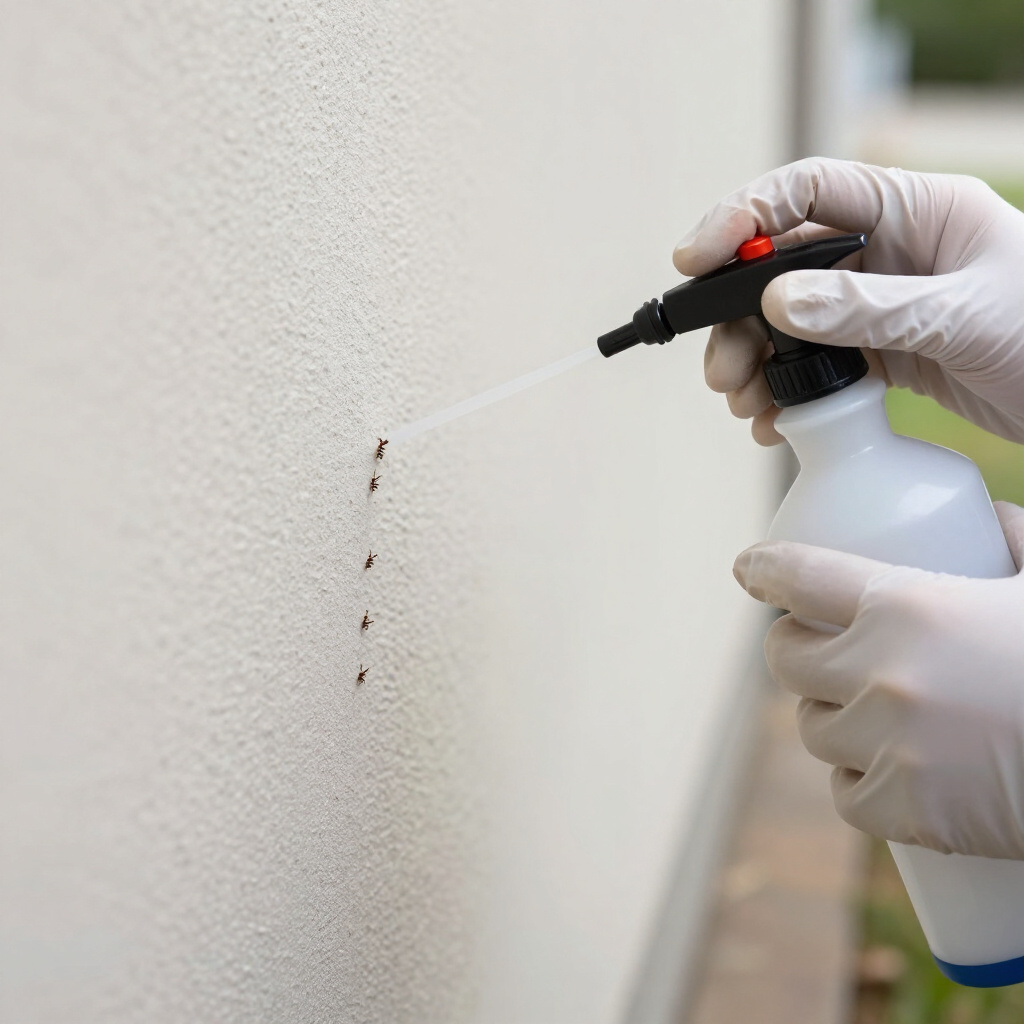
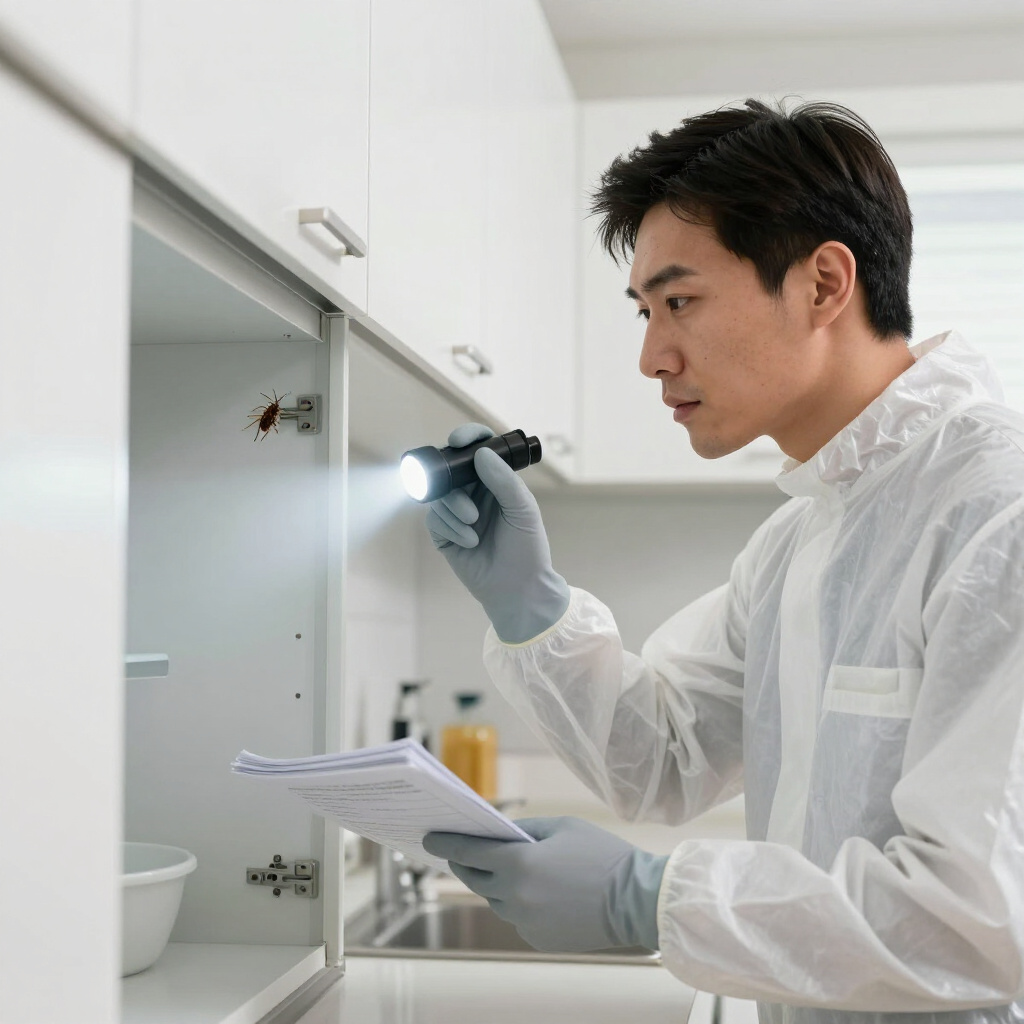

Tired of sharing your home with uninvited critters but wary of harsh chemicals? You're not alone. More homeowners than ever are seeking gentler ways to protect their families and pets while still keeping pests at bay. The good news: natural pest control methods can be surprisingly effective when you understand which approaches actually deliver results—and which ones just smell nice while the ants keep marching.
Natural Pest Control Methods That Actually Work Start with Prevention
The most powerful tool in your pest-fighting arsenal isn't a spray bottle—it's making your home fundamentally unappealing to invaders. Think like a pest: they're searching for food, water, and shelter. Remove easy access to all three, and most will look elsewhere.
Seal entry points with caulk and weatherstripping, paying special attention to gaps around pipes, windows, and foundation cracks. Store pantry goods in airtight glass or metal containers rather than cardboard boxes that pests can chew through. Fix leaky faucets promptly—even tiny drips create water sources that sustain cockroaches and silverfish.
Your landscaping choices matter enormously. Keep mulch, firewood, and dense vegetation at least 18 inches from your foundation. Overhanging branches become highways for ants, squirrels, and roof rats. Interior cleanliness helps too, but don't obsess over crumbs alone; even immaculate homes attract pests if structural vulnerabilities exist.
Botanical and Mineral Solutions with Real Science Behind Them
Several plant-based and mineral treatments have demonstrated genuine effectiveness, though they typically require more frequent application than synthetic alternatives.
Diatomaceous earth deserves top mention. This powdery fossilized algae abrades the waxy outer layer of insects with exoskeletons, causing fatal dehydration. Food-grade diatomaceous earth works against ants, fleas, cockroaches, and bed bugs when applied to cracks, crevices, and pet bedding. It remains effective until dampened, so reapply after cleaning or humid conditions. Always choose food-grade formulations and avoid inhalation during application.
Neem oil, derived from the Indian lilac tree, disrupts insect feeding and reproduction rather than killing immediately. It's particularly valuable for garden pest management against aphids, whiteflies, and certain beetles. As a bonus, neem oil won't harm beneficial pollinators when applied during evening hours when bees aren't active.
Essential oils vary enormously in legitimacy. Peppermint oil shows genuine repellent properties against spiders and mice—soak cotton balls and place them in likely entry points, refreshing every 2-3 weeks. Tea tree oil demonstrates some antimicrobial and limited insecticidal activity. However, citrus oils and the popular "wonder cure" claims around lavender lack robust evidence for serious infestations. Use essential oils as supplementary measures, not primary defenses.
Boric acid sits in a middle ground—technically a chemical compound but occurring naturally and used for over a century. When ants or cockroaches walk through boric acid-treated areas and groom themselves, they ingest lethal doses. It's slow-acting but genuinely effective, especially for ant colonies where workers carry bait back to the nest. Keep away from children and pets, and never apply where food is prepared.
Key Tips for Making Natural Methods Succeed
Natural approaches demand realistic expectations and consistent execution. These practical guidelines separate successful implementation from frustrating failure.
Identify before treating. Spraying peppermint oil everywhere wastes effort if you're actually dealing with moisture-loving springtails requiring humidity reduction. Proper identification—whether through research or professional consultation—directs your strategy efficiently.
Combine multiple tactics. Natural methods work best as integrated systems rather than single solutions. Pair exclusion techniques with targeted treatments and environmental modifications for compounding effects.
Apply more frequently. Synthetic pesticides often persist for weeks; natural alternatives typically need reapplication every few days to weeks. Calendar reminders help maintain protective barriers.
Start early in the season. Preventing spring ant scouts from establishing trails proves infinitely easier than displacing a mature summer colony. Begin your natural prevention regimen before problems emerge.
Know when to escalate. Serious infestations—termite damage, widespread bed bugs, or disease-vectoring rodents—warrant professional evaluation regardless of your preferred methods. There's no virtue in allowing structural damage or health risks while pursuing chemical-free ideals.
Final Thoughts
Natural pest control methods that actually work combine smart prevention, scientifically supported treatments, and patient persistence. Diatomaceous earth, neem oil, targeted essential oils, and boric acid each occupy legitimate places in an effective strategy, while proper sealing, moisture management, and landscaping decisions multiply their impact.
The honest truth? Natural methods sometimes require more effort and vigilance than conventional approaches. But for households prioritizing reduced chemical exposure—especially those with young children, sensitive individuals, or curious pets—that tradeoff often feels worthwhile. Start with the fundamentals, apply treatments thoughtfully and consistently, and don't hesitate to call professionals when an infestation exceeds your comfort zone. Effective pest management ultimately means protecting both your home's integrity and your family's wellbeing.