
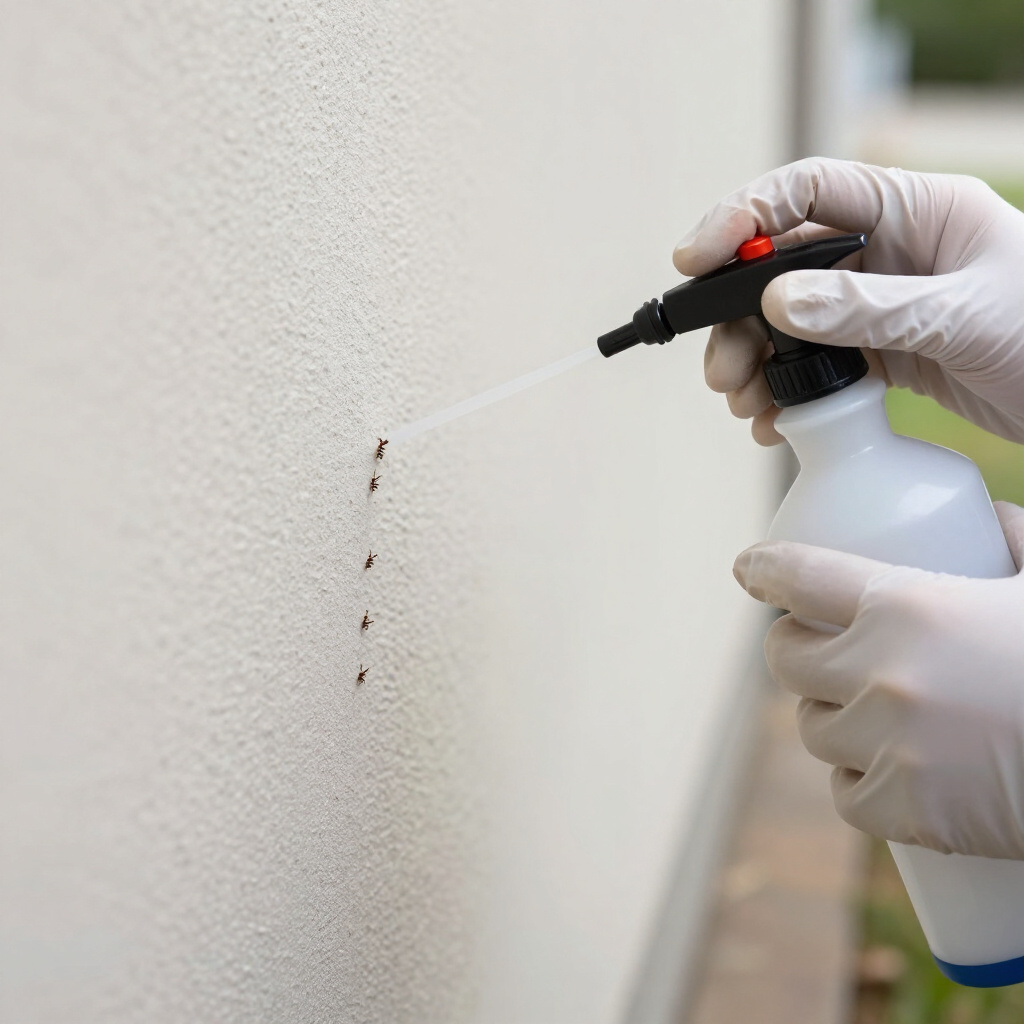


Finding an uninvited guest scurrying across your kitchen floor or hearing mysterious scratching in your walls can turn any peaceful evening into a stressful one. Household pests aren't just unsettling—they can damage your property, contaminate your food, and even pose health risks to your family. The good news? Most infestations are entirely preventable with the right knowledge and consistent habits. Let's explore the most common household pests and the practical steps you can take to keep them outside where they belong.
Most Common Household Pests and How to Prevent Them
Understanding which pests you're most likely to encounter helps you target your prevention efforts effectively. Here are the culprits that show up in homes most frequently—and what makes them tick.
Ants are perhaps the most persistent invaders, drawn indoors by even the tiniest food sources. A single crumb can summon an entire colony, with scouts laying down pheromone trails that bring hundreds of followers. They're especially active during spring and summer but can appear year-round in heated homes.
Cockroaches thrive in warm, humid environments with access to water and organic matter. These nocturnal pests squeeze through incredibly small gaps and multiply rapidly once established. Beyond the "ick" factor, they can trigger allergies and asthma, particularly in children.
Spiders typically enter homes seeking prey—meaning if you have spiders, you likely have other insects too. While most common house spiders are harmless, their webs create a neglected appearance and some species can deliver painful bites.
Rodents including mice and rats cause significant damage by gnawing on wires, insulation, and structural materials. They're also notorious carriers of disease and can contaminate food stores with droppings and urine.
Termites work silently, often causing extensive structural damage before homeowners notice any signs. These wood-destroying insects require moisture and cellulose materials to survive, making damp crawl spaces and foundation wood particularly vulnerable.
Bed bugs have made a troubling resurgence in recent years, hitchhiking into homes on luggage, used furniture, and clothing. Their bites cause itchy welts, and infestations are notoriously difficult to eliminate without professional intervention.
Fleas and ticks often enter homes via pets but can survive and reproduce indoors, particularly in carpeting and upholstery. Ticks pose serious health concerns with their ability to transmit Lyme disease and other illnesses.
Proven Prevention Strategies for Every Homeowner
The most effective pest control happens before you ever see a single insect or rodent. These foundational strategies address the core needs that attract pests in the first place: food, water, shelter, and entry access.
Seal your perimeter thoroughly. Walk around your home's exterior with a critical eye. Fill gaps around utility penetrations with steel wool and caulk—rodents can't chew through steel wool. Repair torn window screens, install door sweeps, and ensure weatherstripping creates tight seals. Don't overlook the garage; it's often the weakest link in home defense.
Eliminate moisture problems. Fix leaky faucets, running toilets, and condensation issues promptly. Ensure gutters direct water away from your foundation, and improve ventilation in crawl spaces and attics. Even small water sources sustain pests during dry periods when they might otherwise move on.
Practice impeccable food storage. Transfer pantry staples to airtight glass or thick plastic containers. Pet food deserves the same attention—avoid leaving bowls out overnight, and store bulk food in sealed bins. Wipe down counters and sweep floors daily, paying attention to crumbs beneath appliances and cabinet edges.
Manage your landscape strategically. Keep mulch, firewood, and dense vegetation at least eighteen inches from your foundation—this creates a dry, exposed zone that pests hesitate to cross. Trim tree branches away from rooflines to eliminate rodent highways. Consider replacing traditional mulch with gravel or rubber alternatives near your home's perimeter.
Declutter with intention. Cardboard boxes, stacked newspapers, and unused clothing provide ideal harborage for multiple pest species. Opt for plastic storage containers with tight-fitting lids, and maintain breathing room in closets, basements, and attics so you can spot early warning signs.
Key Tips for Seasonal Pest Awareness
Pest pressures shift throughout the year, and adjusting your approach seasonally keeps you ahead of emerging threats.
Spring brings ant swarms and termite alates (winged reproductives). Schedule a professional termite inspection if you haven't had one recently, and refresh your perimeter defenses before temperatures fully warm.
Summer peaks for mosquitoes, wasps, and outdoor-invading insects. Eliminate standing water weekly, keep garbage cans tightly lidded, and consider yellow-toned outdoor lighting that's less attractive to flying insects.
Fall triggers overwintering behaviors—rodents, stink bugs, and lady beetles actively seek indoor shelter. This is your critical window to reinforce seals and inspect the roofline for new gaps.
Winter pest activity moves indoors, making consistent sanitation and monitoring essential. Use this quieter season to deep-clean storage areas and plan any structural improvements for spring implementation.
Most Common Household Pests and How to Prevent Them isn't just about reactive measures—it's about building resilient habits that make your home fundamentally unappealing to invaders. Pay attention to subtle signs: unexplained droppings, shed skins, gnaw marks, or unusual odors often reveal problems before you spot the pests themselves.
Final Thoughts
Preventing household pests requires a blend of vigilance, maintenance, and smart habits rather than dramatic interventions. The homes that stay pest-free aren't necessarily the newest or most expensive—they're the ones where residents commit to consistent, detail-oriented care. Start with one or two strategies that fit your current situation, then build your defenses over time. And remember, there's no shame in calling a professional when an issue exceeds your comfort level or expertise. Early intervention always costs less than repairing extensive damage. Your home should feel like a sanctuary, not a shared space with unwelcome wildlife—take these steps and keep it that way.