
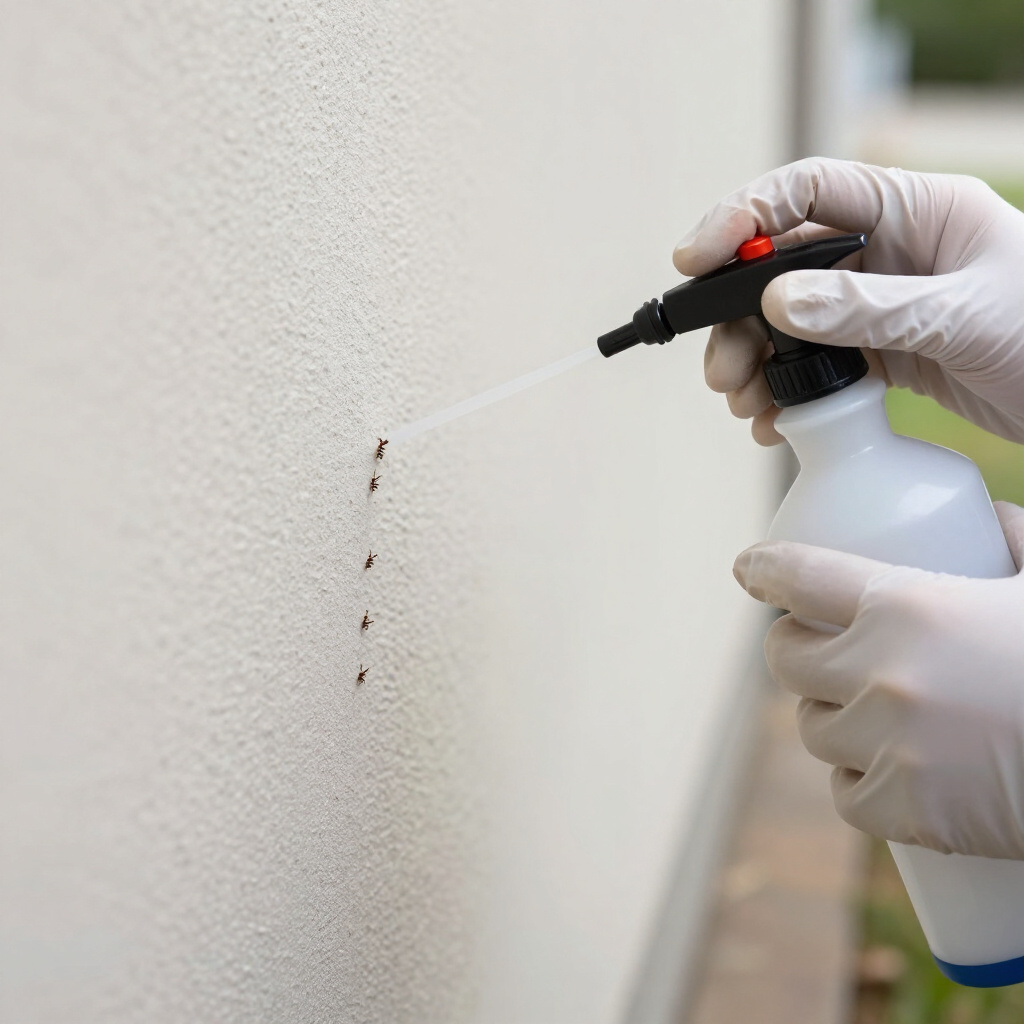


Few things are more frustrating than watching a line of ants march across your kitchen counter like they own the place. One day your home is peaceful, and the next, you're facing a full-scale invasion that seems impossible to stop. The good news? Ant problems are largely preventable when you understand what draws them inside and how to cut off their access. Whether you're dealing with tiny sugar ants or the more determined carpenter variety, taking proactive steps now can save you significant stress later.
How to Prevent Ants From Invading Your Home Starts With Understanding Attraction
Ants don't randomly choose where to forage—they follow chemical trails laid by scout ants who've found something worth returning for. Your first line of defense is eliminating the attractions that bring scouts inside in the first place.
Food sources are the primary draw. Crumbs under the toaster, a sticky spot from last night's juice spill, or even pet food left out overnight can signal "open for business" to passing colonies. Make it a habit to wipe down counters after every meal, sweep floors daily, and store all food in airtight containers with tight-fitting lids. Don't overlook less obvious food sources: the residue inside garbage cans, food films on dishes in the sink, and that forgotten apple in the fruit bowl.
Moisture matters just as much as food. Leaky faucets, condensation around pipes, and damp basements create ideal conditions for thirsty ants. Carpenter ants in particular seek out moist, decaying wood for nesting. Fix leaks promptly, run dehumidifiers in humid areas, and ensure proper ventilation in bathrooms and crawl spaces.
Your outdoor environment also plays a role. Overgrown vegetation touching your home's exterior acts as a highway for ants. Woodpiles stacked against the foundation, mulch piled too high, and dense shrubbery all provide shelter and easy access. Maintain a gap between plants and your walls, and keep firewood at least twenty feet from the house.
Seal Entry Points Before Ants Find Them
Ants are remarkably resourceful when it comes to finding ways inside. A crack the width of a pencil lead is plenty of space for most species to squeeze through. Conducting a thorough perimeter inspection and sealing vulnerabilities is one of the most effective preventative measures you can take.
Start with the foundation. Look for cracks in concrete, gaps where utility lines enter, and spaces around outdoor faucets. Check window frames and door thresholds—worn weatherstripping creates easy passage. Don't forget the attic and roofline; damaged soffits, vents without screens, and gaps around chimneys all invite trouble.
Use appropriate materials for each repair: silicone caulk for small cracks and gaps, steel wool stuffed before caulking for larger openings (ants can't chew through it), and door sweeps for gaps beneath exterior doors. For utility penetrations, consider escutcheon plates combined with sealant for a professional finish that holds up over time.
Indoor sealing matters too. Gaps around plumbing under sinks, spaces behind baseboards, and cracks around electrical outlets can all serve as internal highways once ants gain entry. While you're unlikely to seal every possible route, reducing obvious pathways significantly complicates an ant's journey from entry point to food source.
Key Tips for Maintaining an Ant-Free Environment
Prevention isn't a one-time task—it requires consistent habits and seasonal awareness. Here are essential practices to weave into your routine:
Manage your trash strategically. Use bins with lids, take garbage out regularly, and rinse recyclable containers before storage. Position outdoor garbage cans away from the house if possible, and clean them periodically to remove residue that attracts foragers.
Be mindful of landscaping choices. Some plants naturally repel ants—mint, lavender, and rosemary among them—but plant them in containers rather than directly against your foundation, as their proximity can backfire. Avoid overwatering, which creates the moist conditions ants prefer.
Deploy natural deterrents thoughtfully. Diatomaceous earth sprinkled in dry areas along the foundation can deter crawling insects. Vinegar solutions disrupt pheromone trails when you spot early scout activity. However, recognize that natural methods have limitations against established colonies—they work best as supplements to structural prevention, not replacements.
Monitor seasonally. Ant activity peaks in spring when colonies send out foragers, and again in late summer when they're seeking food reserves. Increase your vigilance during these periods, and address any early signs of activity immediately before trails become established.
Know when professional intervention makes sense. If you're seeing ants consistently despite your efforts, noticing wood shavings that suggest carpenter ants, or finding ants in multiple areas of your home, the colony may be established within your structure. DIY methods rarely eliminate hidden nests effectively, and misidentification of species can lead to inappropriate treatment approaches.
Final Thoughts
Keeping ants out of your home comes down to three interconnected principles: remove what attracts them, block how they enter, and stay attentive to early warning signs. No single action provides complete protection, but layering these strategies creates a formidable defense that most ant colonies will bypass for easier opportunities.
The effort you invest in prevention pays dividends beyond avoiding the annoyance of kitchen invasions. Structural damage from carpenter ants, contamination risks from foraging trails, and the escalating difficulty of controlling established infestations all make proactive measures well worth your time.
If you've implemented these steps and still find yourself facing persistent ant activity, don't hesitate to reach out for professional assessment. Sometimes the most cost-effective decision is recognizing when expert identification and targeted treatment will resolve a problem that home prevention alone cannot solve.