

Few things disrupt a quiet evening quite like spotting an eight-legged visitor scurrying across your living room floor. While spiders play a valuable role in nature by controlling insect populations, most homeowners prefer that role to stay outdoors. The good news? Keeping spiders out of your house doesn't require harsh chemicals or complicated equipment—just consistent habits and smart prevention strategies. Whether you're dealing with occasional wanderers or seem to find webs in every corner, this guide will help you reclaim your space.
How to Keep Spiders Out of Your House by Removing Their Food Source
Spiders don't enter homes by accident—they follow their prey. If you have spiders, you likely have other insects they consider dinner. Addressing this food chain is the single most effective long-term solution.
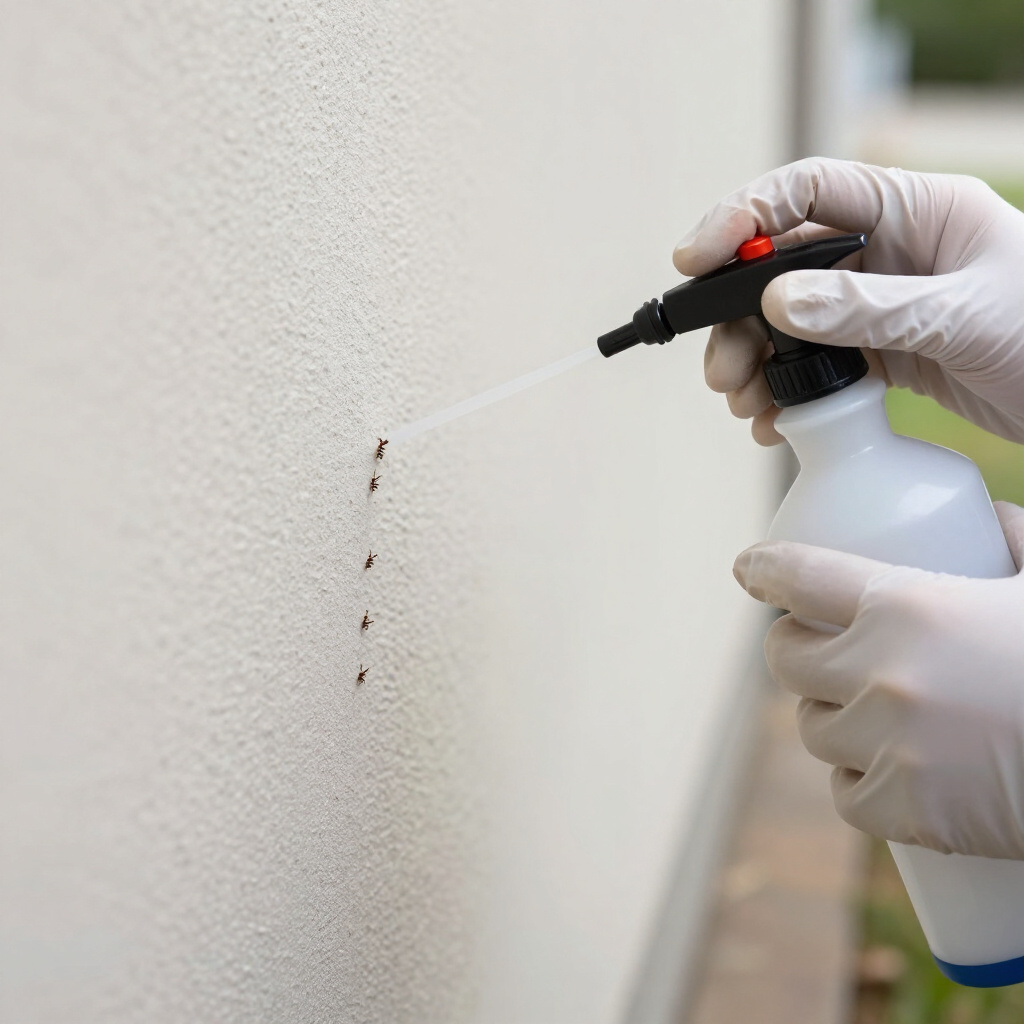
Start with diligent cleaning routines. Crumbs, spills, and food residue attract ants, flies, and pantry moths, which in turn invite spiders. Sweep and vacuum regularly, paying special attention to kitchen corners, under appliances, and baseboards where debris accumulates. Don't forget less obvious spots like window sills, where dead insects collect, essentially creating a spider buffet.
Reduce outdoor lighting that draws flying insects to your windows and doors. Consider yellow "bug lights" or motion-activated fixtures that minimize constant illumination. Keep garbage sealed and remove it promptly. If you compost, position bins well away from your home's foundation.
Moisture control matters too. Many insects—and the spiders hunting them—thrive in damp environments. Fix leaky faucets, ensure proper ventilation in bathrooms and basements, and use dehumidifiers in chronically humid areas. A dry home simply supports fewer pests overall.
Seal Entry Points Spiders Exploit
Spiders are master contortionists, capable of squeezing through gaps you'd swear were too small. A thorough inspection and sealing effort dramatically reduces indoor sightings.
Examine your home's exterior with a critical eye. Check window screens for tears and repair or replace damaged ones immediately. Weatherstripping around doors wears down over time—replace it when you notice cracks or gaps. Use caulk around window frames, utility penetrations, and where siding meets the foundation.
Don't overlook higher access points. Spiders climb, so roof vents, chimneys, and gaps under eaves matter as much as ground-level openings. Install fine mesh screens over vents and chimney caps where appropriate. Check where cables and pipes enter your home—these often have expandable foam or sealant that degrades and needs refreshing.
Indoors, focus on the basement and attic, particularly where utilities pass through walls. Pipe penetrations in laundry rooms and under sinks deserve attention. Even interior gaps matter because while they don't let spiders in from outside, they create harborage and allow movement between rooms.
Key Tips for a Spider-Resistant Home
Declutter with purpose. Spiders love undisturbed spaces. Cardboard boxes, piled newspapers, and stored clothing provide ideal hiding spots. Switch to plastic storage containers with tight lids. Keep items off basement and garage floors when possible. Regularly disturb quiet corners—vacuum behind furniture and in closets seasonally even if they look clean.
Landscaping choices matter. Vegetation touching your home creates natural bridges for spiders. Trim shrubs, tree branches, and ornamental grasses to maintain at least a foot of clearance from walls and rooflines. Move firewood piles away from the house—30 feet is ideal—and never store firewood indoors long-term. Consider reducing dense ground cover near foundations where moisture and insects accumulate.
Use natural deterrents strategically. While no natural remedy creates an impenetrable barrier, certain scents spiders find unpleasant may reduce activity in treated areas. Peppermint oil diluted in water and sprayed around entry points is popular, though requires frequent reapplication. Vinegar solutions, cedar blocks in closets, and chestnuts (despite mixed evidence) are other options homeowners try. Manage expectations—these complement but don't replace the structural and cleaning measures above.
Manage your expectations about complete elimination. A spider-free home is neither realistic nor necessarily desirable. The goal is reduction and preventing problematic infestations. An occasional spider typically indicates a healthy ecosystem and may even help control more troublesome pests. Focus your energy on preventing concentrations and keeping hunting spiders from establishing territories in your living spaces.
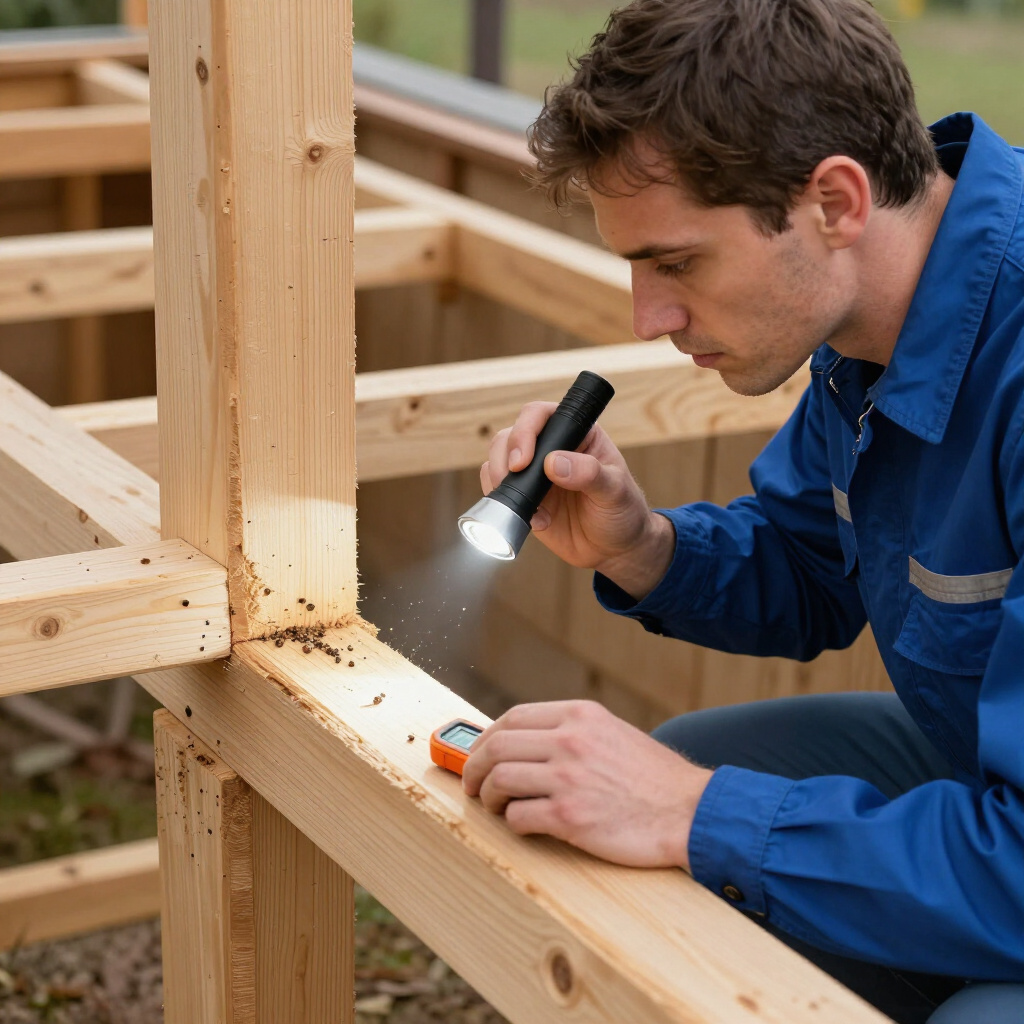
Know when professional help makes sense. If you're seeing multiple spiders daily, finding numerous webs despite cleaning, or encountering potentially dangerous species like black widows or brown recluses, expert assessment is warranted. Pest control professionals can identify species, locate hidden entry points, and implement targeted treatments if necessary.
Final Thoughts
Learning how to keep spiders out of your house comes down to understanding what attracts them and systematically removing those incentives. Cleanliness eliminates food sources, sealing closes doors they use, and maintenance reduces the sheltered environments they prefer. These efforts benefit your home beyond spider control—reducing insects, improving energy efficiency, and catching small maintenance issues before they become expensive problems.
Start with one or two changes this week rather than attempting everything at once. Seal obvious gaps one afternoon. Commit to a new vacuuming routine. Move that woodpile before winter. Small, consistent actions compound into significant results. Your home should feel like your sanctuary, and with these strategies, you'll spend less time watching for movement in peripheral vision and more time simply enjoying your space.