
When ants march across your kitchen counter or you spot a mouse in the garage, the first question that pops into your head is usually: should I handle this myself or call in a pro? The answer isn't always straightforward. Both DIY pest control and hiring a professional have their place, depending on the pest, the severity of the infestation, your budget, and how comfortable you are dealing with creepy crawlies. Let's break down what you need to know to make the smartest choice for your home and family.
DIY Pest Control: When It Works and When It Doesn't
There's something genuinely satisfying about solving a problem with your own two hands. For minor pest issues, DIY methods can be effective, affordable, and convenient.
DIY pest control shines in these situations:
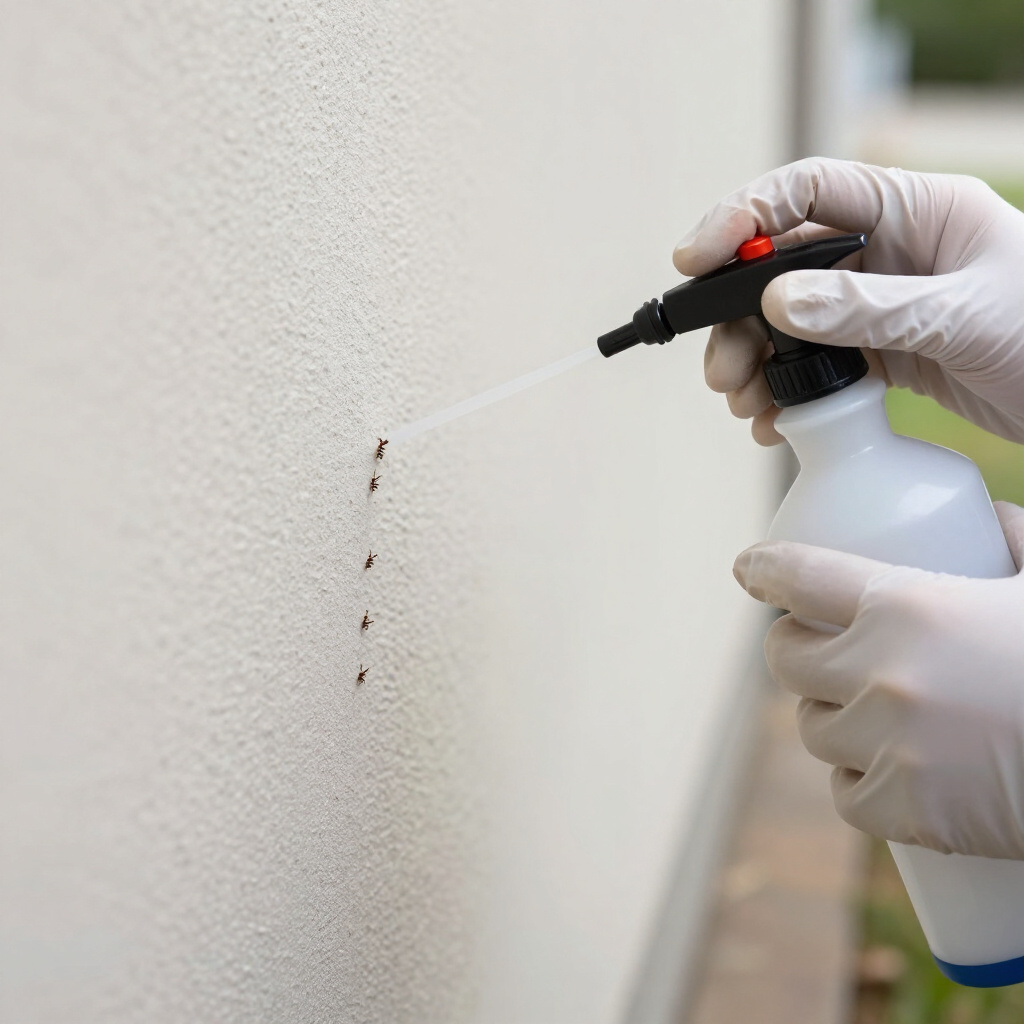
A few ants finding their way to a spilled sugar bowl, an isolated spider in the basement, or a single wasp nest that's easily accessible and small — these are prime candidates for the do-it-yourself approach. Over-the-counter sprays, bait stations, traps, and natural remedies like diatomaceous earth or essential oils can handle low-level pest pressure without much fuss. You'll save money on service calls and gain the immediate gratification of addressing the problem right away.
However, DIY pest control has real limitations:
Store-bought products often treat symptoms rather than root causes. You might kill the ants you see without touching the colony hidden inside your walls. Misapplication is common — too little and pests persist; too much and you risk exposing your family and pets to unnecessary chemicals. Some pests, like termites and bed bugs, are notoriously difficult to eradicate without specialized equipment and training. Worse, delaying professional help while trying DIY methods can allow infestations to grow exponentially more expensive to resolve.
There's also the safety factor to consider. Certain pests pose genuine health risks. Rodents carry diseases, wasp stings can trigger severe allergic reactions, and disturbing the wrong insect nest can turn dangerous quickly. If you're unsure what you're dealing with or the pest shows any signs of aggression, stepping back is the wiser move.
Hiring a Professional: Expertise, Efficiency, and Peace of Mind
Professional pest control technicians bring training, experience, and commercial-grade tools that simply aren't available at your local hardware store. When you're weighing DIY pest control versus hiring a professional, this expertise gap is often the deciding factor.
Professionals excel when:
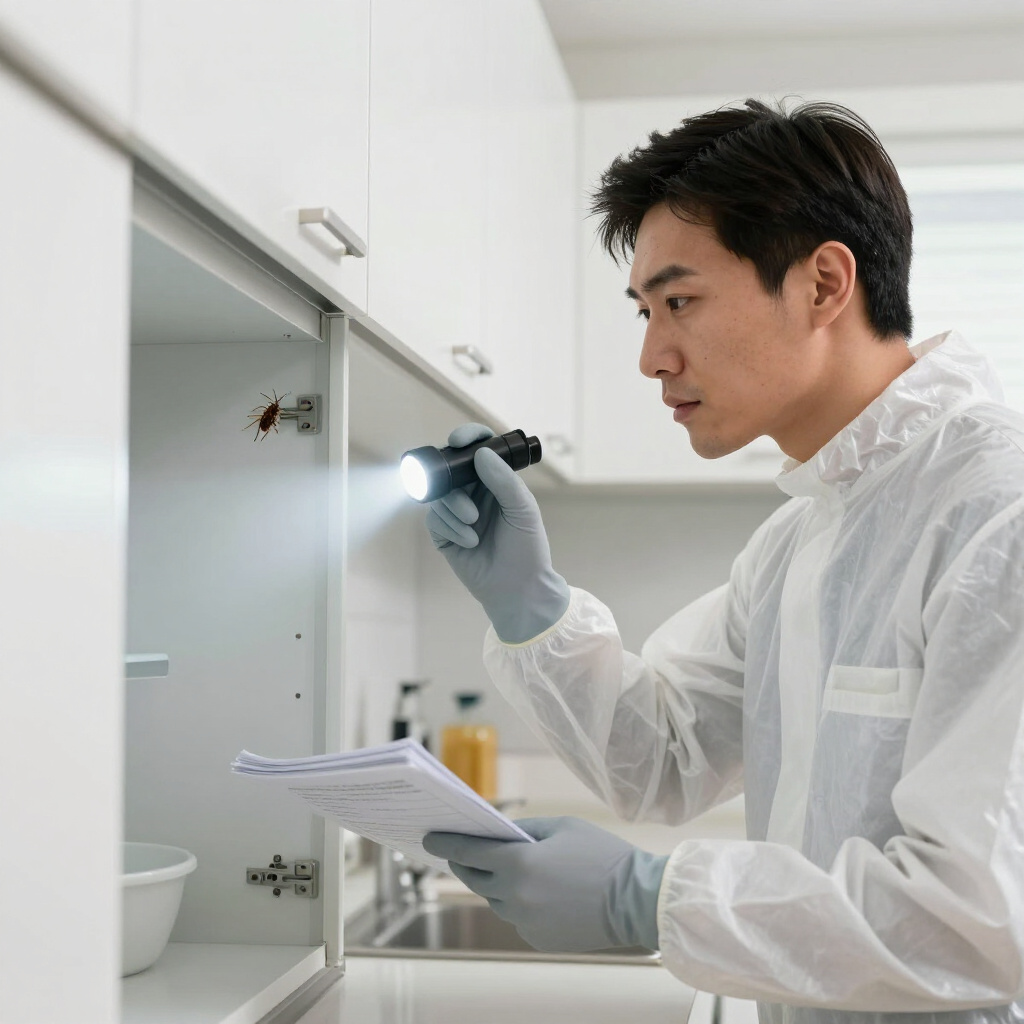
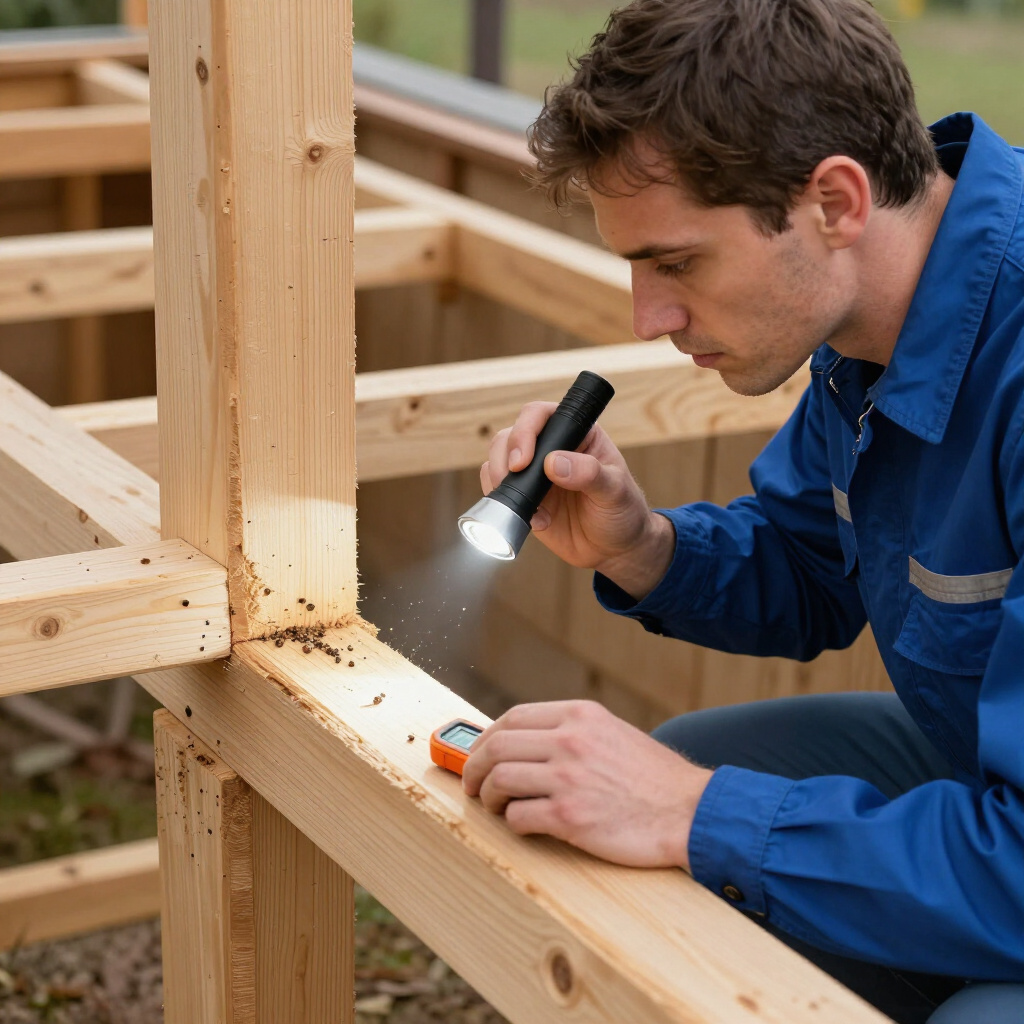
The infestation is widespread, recurring, or involves protected or dangerous species. Termites silently destroying your home's structure, bed bugs hiding in mattress seams and electrical outlets, or cockroaches establishing colonies behind appliances — these scenarios demand professional intervention. Technicians know pest biology and behavior, allowing them to identify entry points, nesting sites, and conducive conditions you'd likely miss.
Licensed professionals also have access to targeted, regulated treatments that are more effective and often safer than consumer alternatives when properly applied. They understand integrated pest management — combining physical, biological, and chemical controls for lasting results rather than quick fixes. Reputable companies stand behind their work with guarantees, returning if pests persist.
The investment perspective:
Professional service costs more upfront than a can of spray, but consider the long view. A failed DIY termite treatment can lead to thousands in structural repairs. A bed bug infestation that spreads to multiple rooms because of incomplete treatment becomes vastly more expensive. Professionals save time, too — your weekends belong to you, not spent researching pest habits and applying repeated treatments.
Key Tips for Making the Right Choice
Still on the fence? These practical guidelines can help you decide confidently:
Start DIY if: You're dealing with a small, isolated problem; you can clearly identify the pest; the pest poses no immediate health or safety risk; you're comfortable following product labels precisely; and you're willing to monitor and re-treat if needed. Always read and follow label instructions — they're legally binding documents designed to protect you.
Call a professional if: The infestation is large or growing; you're seeing pests regularly despite DIY efforts; the pest is potentially dangerous (venomous spiders, aggressive stinging insects, disease-carrying rodents); you suspect termites, bed bugs, or carpenter ants; or the problem is in a hard-to-reach area requiring specialized equipment. Trust your instincts — if a pest situation makes you anxious, professional help is worth the cost for peace of mind alone.
Hybrid approaches work too: Many homeowners successfully combine both strategies. Use professional services for major infestations and complex situations, then maintain protection with diligent sanitation, sealing entry points, and monitoring traps. Some pest control companies even offer consultative services where they inspect, identify problems, and recommend a DIY plan — a middle ground worth exploring.
When selecting a professional, verify licensing and insurance, ask about their treatment philosophy (integrated pest management is the gold standard), and request references. Be wary of high-pressure sales tactics or quotes that seem unrealistically low. A trustworthy provider will inspect before quoting and explain exactly what they plan to do and why.
Final Thoughts
DIY pest control and professional services aren't mutually exclusive — they're tools for different jobs. A handful of pantry moths? Grab some pheromone traps and inspect your dried goods. Termites tunneling through your foundation? That's a job for trained specialists with the right equipment and protective products.
The key is honest assessment. Be realistic about the scope of your problem, your own knowledge and comfort level, and the potential consequences of incomplete treatment. Small, early interventions you handle yourself can prevent bigger problems. But when pests threaten your home's structure, your family's health, or your peace of mind, calling a professional isn't admitting defeat — it's making a smart investment in your property and wellbeing.
Remember, the best pest control is preventive. Whether you go DIY or professional, sealing cracks, eliminating moisture, storing food properly, and maintaining your yard will always be your first and most effective line of defense. Start there, respond proportionally when pests appear, and you'll keep your home the comfortable, pest-free sanctuary it should be.